Vet-informed picks for new puppy parents — independently tested, reader-supported
Vet-informed puppy guides

Everything for your new best friend.

Honest reviews and step-by-step guides to help you raise a happy, healthy puppy — from crates and toys to feeding, supplements, and first-week training.

Browse by need

What does your pup need today?

Jump straight to the guides that matter for this stage of puppyhood.

Most-loved guide

Start here

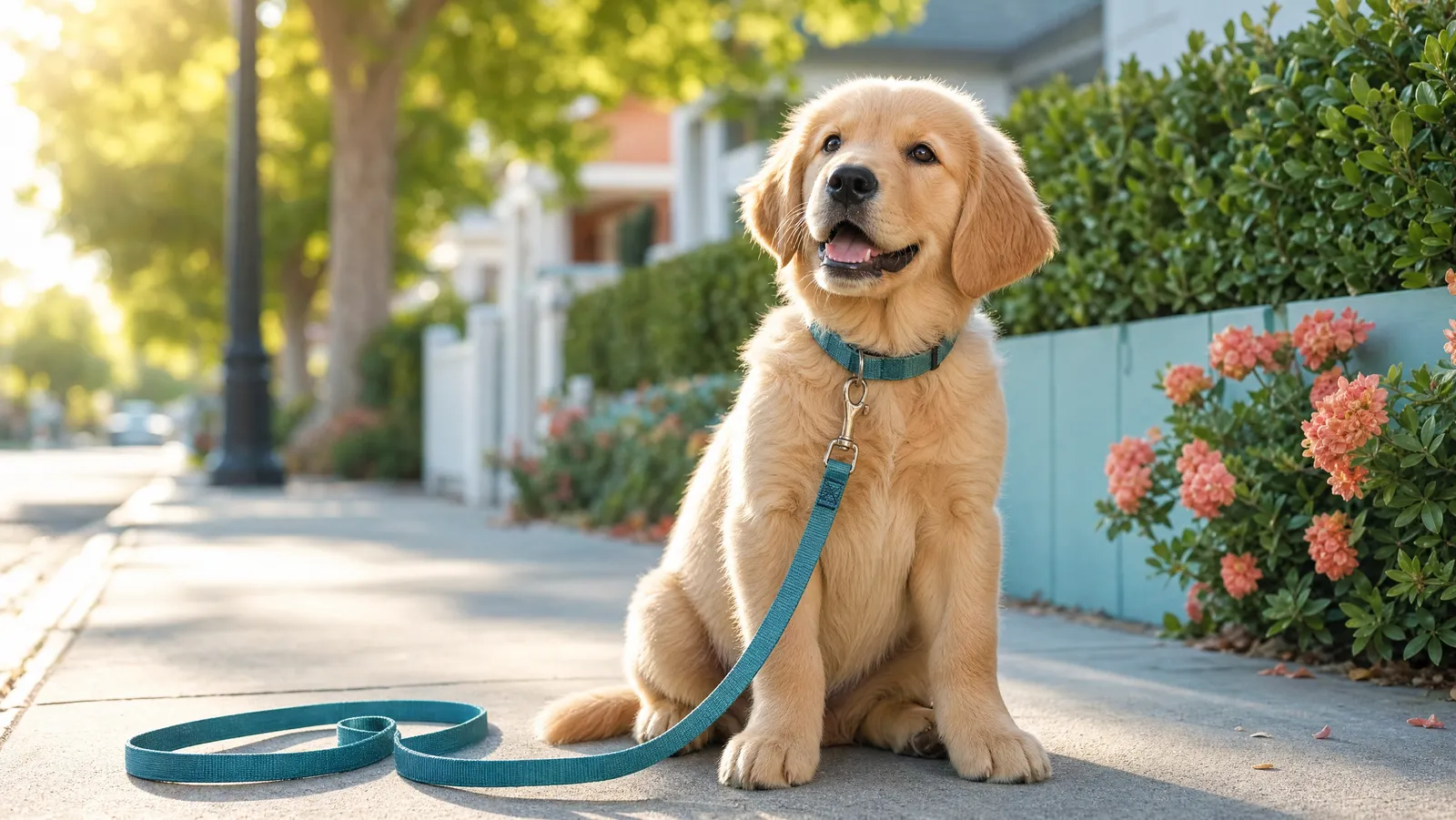
A golden retriever puppy sitting on a sunlit pavement wearing a plain collar, with a slack flat nylon leash coiled on the ground beside themEditor’s pick
Training & Crates

The Best Leashes for Puppies

A plain six-foot flat lead is the right first leash for a puppy, and the good one costs about four dollars. Here are the five things we judge a puppy leash on, the six we would buy, and why most of the money on the leash wall buys padding you do not need yet.
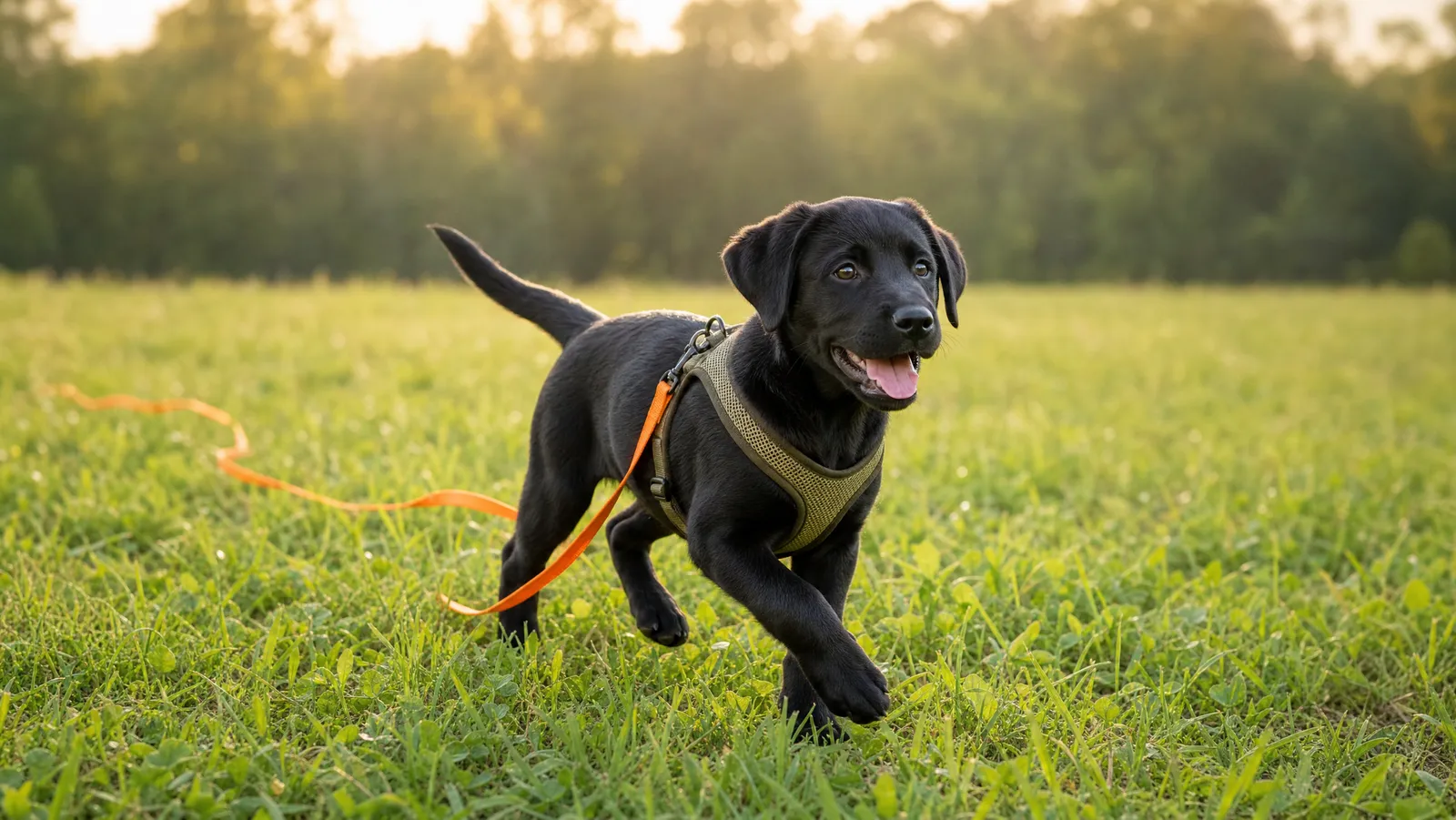
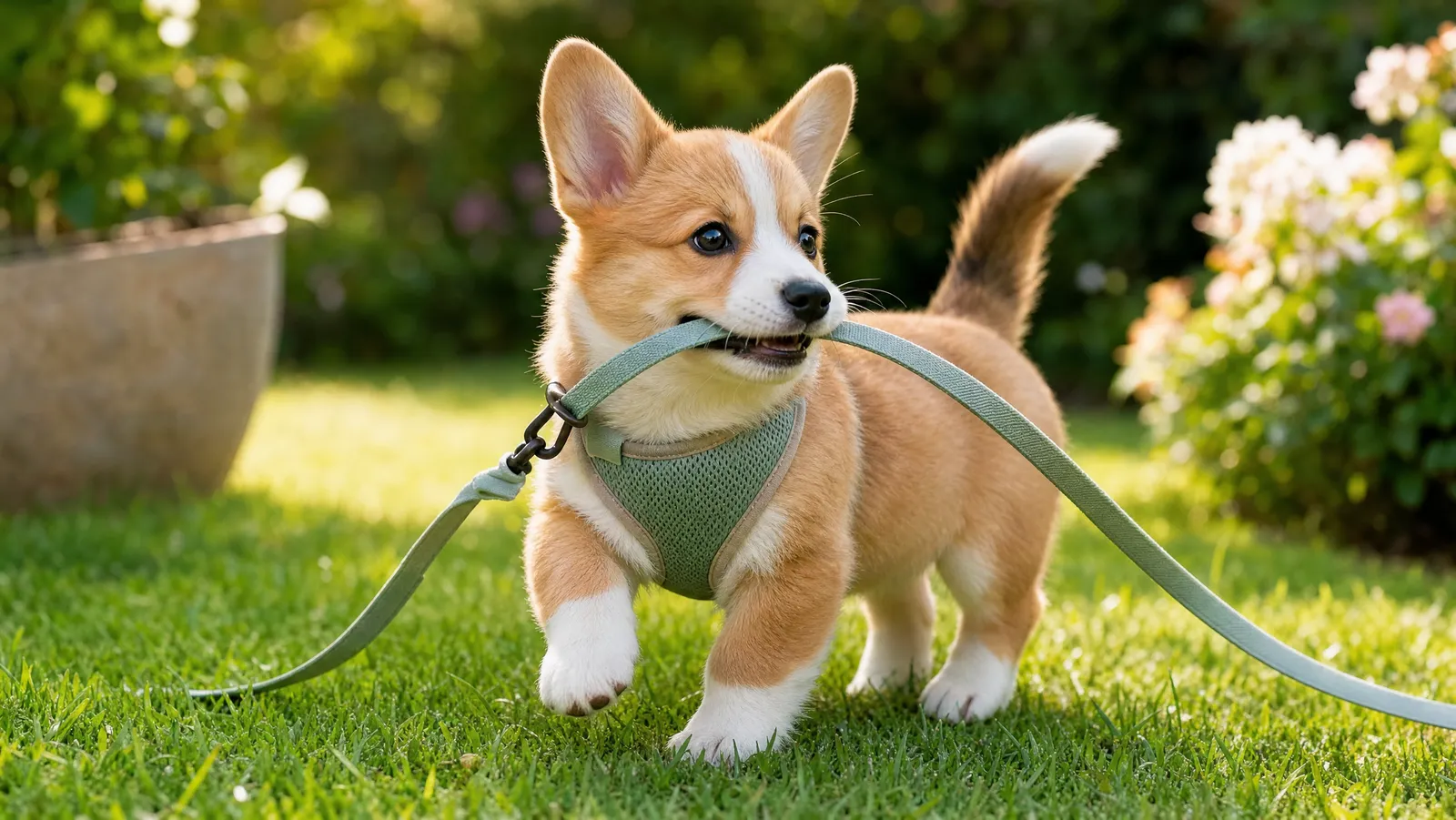
Photo of James Martin
James Martin· · 13 min read
Fresh off the leash

Latest guides

See all
A black labrador puppy trotting across an open grassy meadow with a long orange training line trailing loosely behind, clipped to a padded mesh harnessTraining & Crates4 picks

Long Line Training: Giving a Puppy Freedom Safely

A long line is the honest answer to when you can let your puppy off leash, and the answer is not yet. Here is the protocol we would run, why the line goes on a harness and never a collar, and why you start at 15 feet in a quiet field rather than 30 in a park.
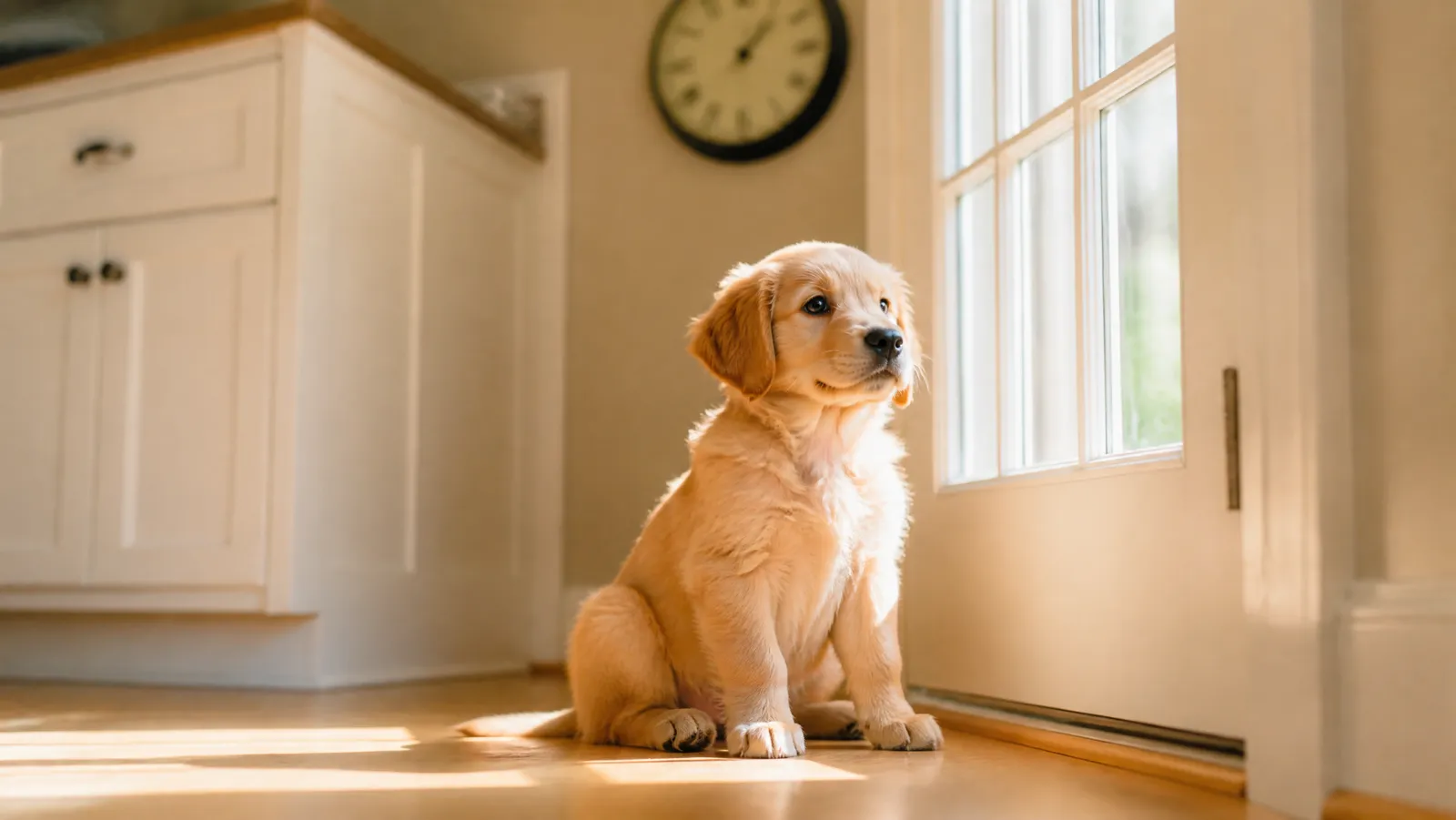
Photo of James Martin
James Martin· · 11 min
A corgi puppy standing on a garden lawn holding its own leash in its mouth and tugging it playfully to one sideTraining & Crates4 picks

Puppy Biting the Leash: Turning Tug-of-War Into a Walk

A puppy biting the leash is usually aroused, frustrated or teething — not defiant — and the three causes need three different answers. Here is how to tell them apart, the protocol we would run on the next walk, and the honest line between gear that trains and gear that only hides the problem.

Photo of James Martin
James Martin· · 11 min
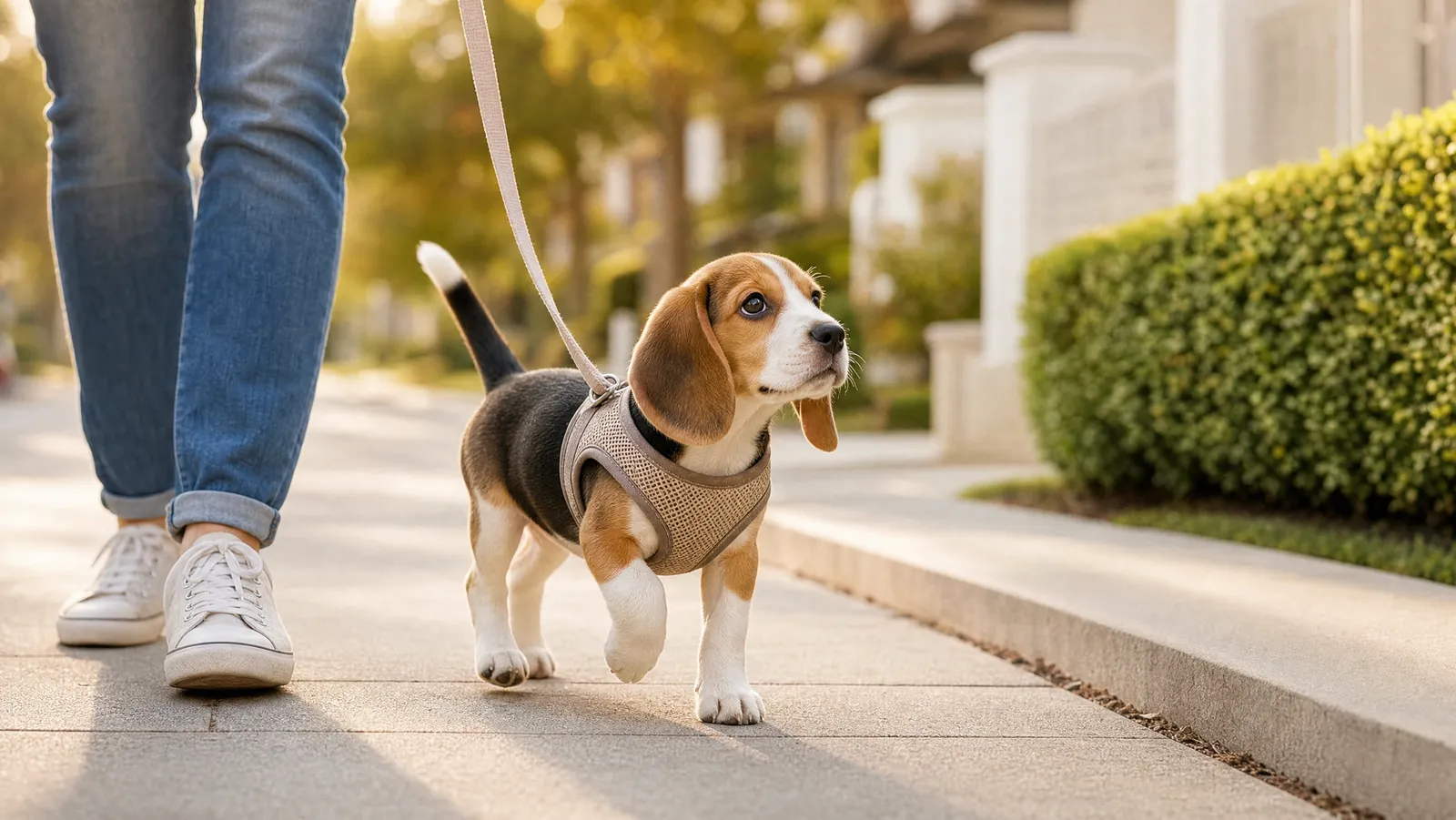
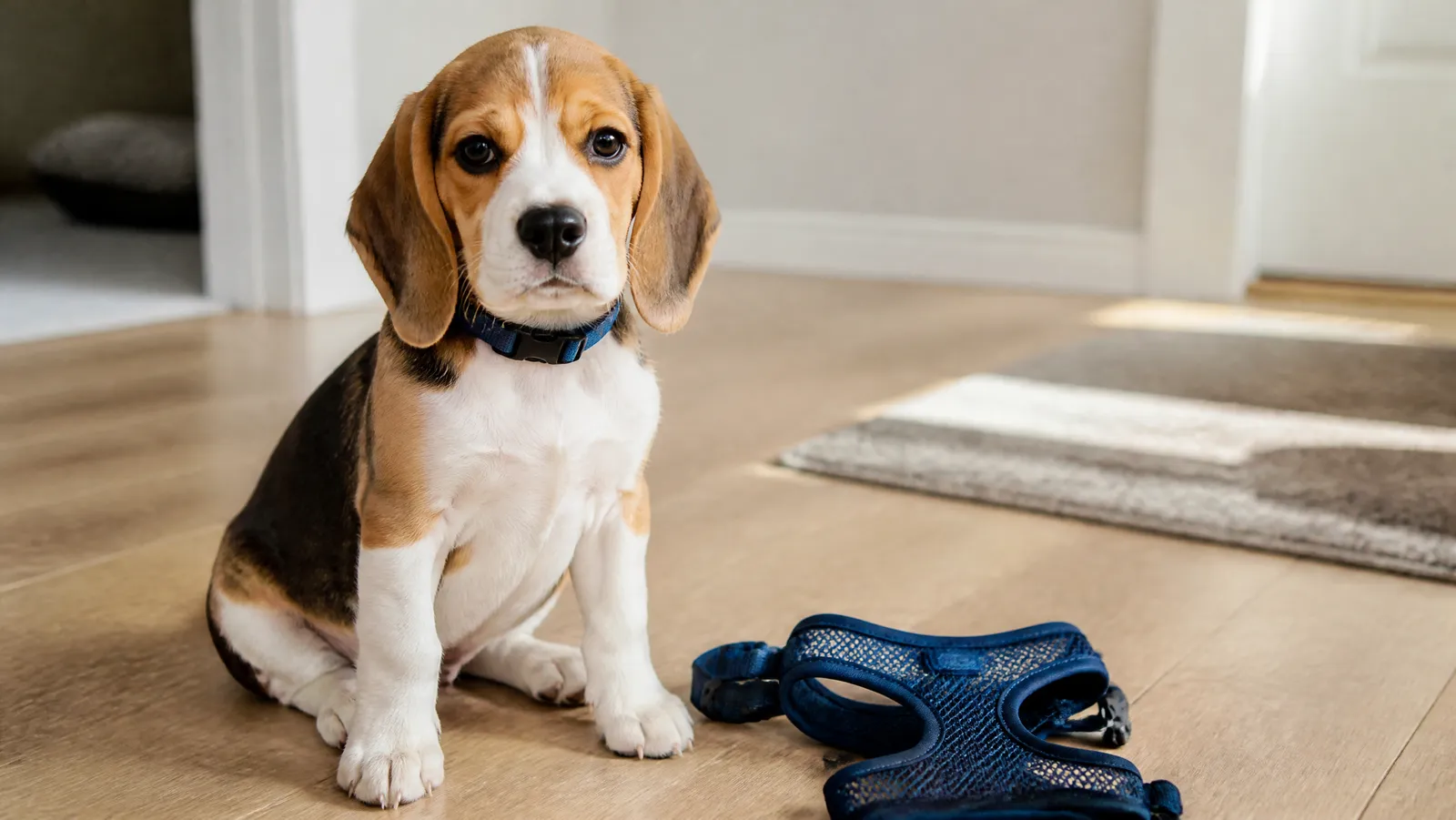
A beagle puppy in a soft mesh harness taking careful first steps along a clean paved footpath beside its ownerTraining & Crates4 picks

Your Puppy's First Walk After Vaccinations: When and How Far

Waiting until a puppy is fully vaccinated is the wrong frame, because waiting has its own cost. Here is how the two real risks compare, what the published vaccine guidance actually says, how to choose lower-risk ground before the series is finished, and how far a puppy can reasonably walk at each age.

Photo of James Martin
James Martin· · 12 min
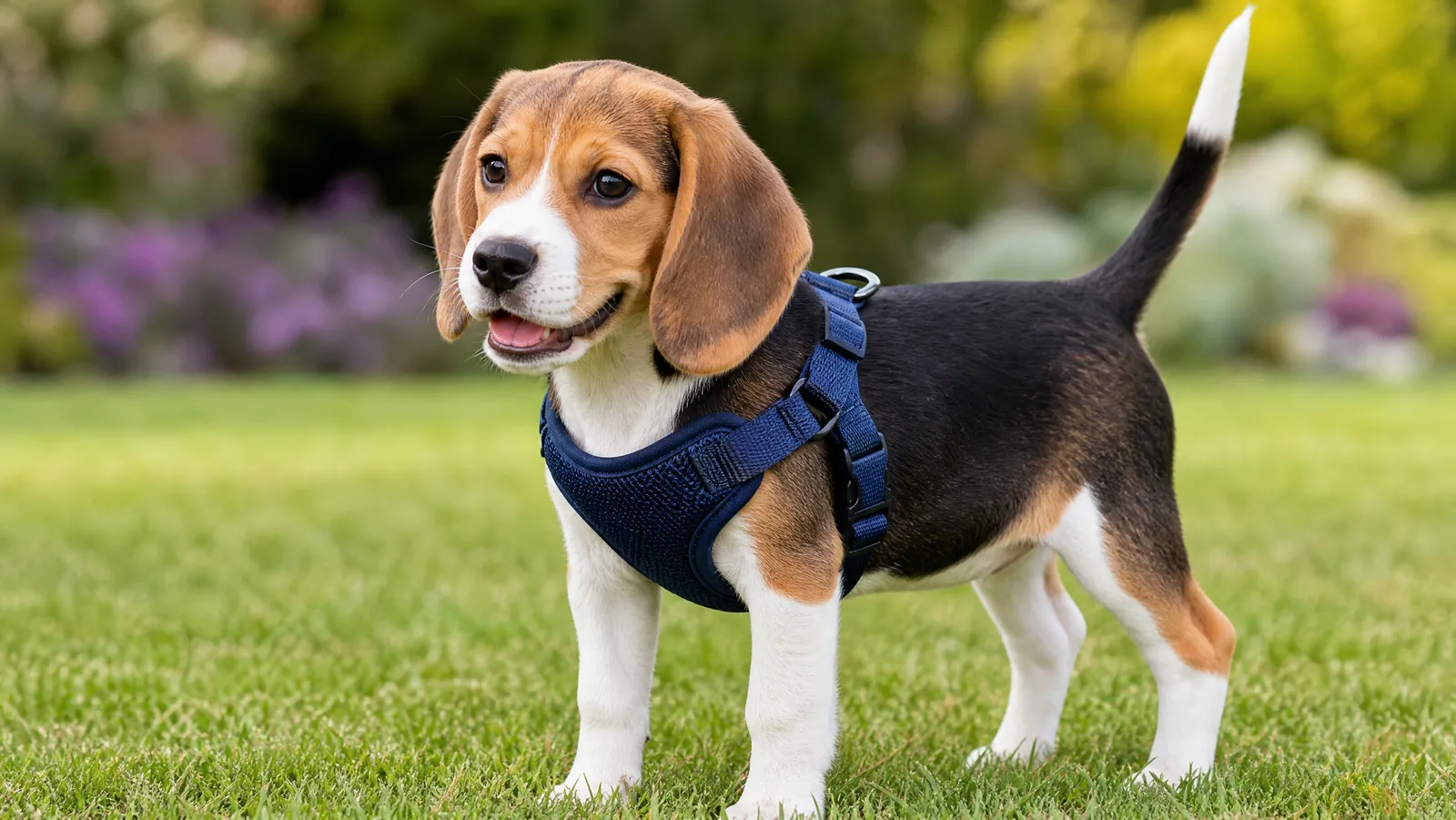
A beagle puppy standing on a garden lawn in a well-fitted padded navy mesh harness, with the chest panel and straps clearly visibleTraining & Crates6 picks

The Best Puppy Harnesses for Training and Walking

Fit range and growth headroom matter more than features on a puppy harness, because a puppy outgrows gear in weeks. Here is how we judge one, the six we would buy at between $10 and $19, and why a cheap harness you replace twice beats an expensive one that fits for a month.

Photo of James Martin
James Martin· · 13 min
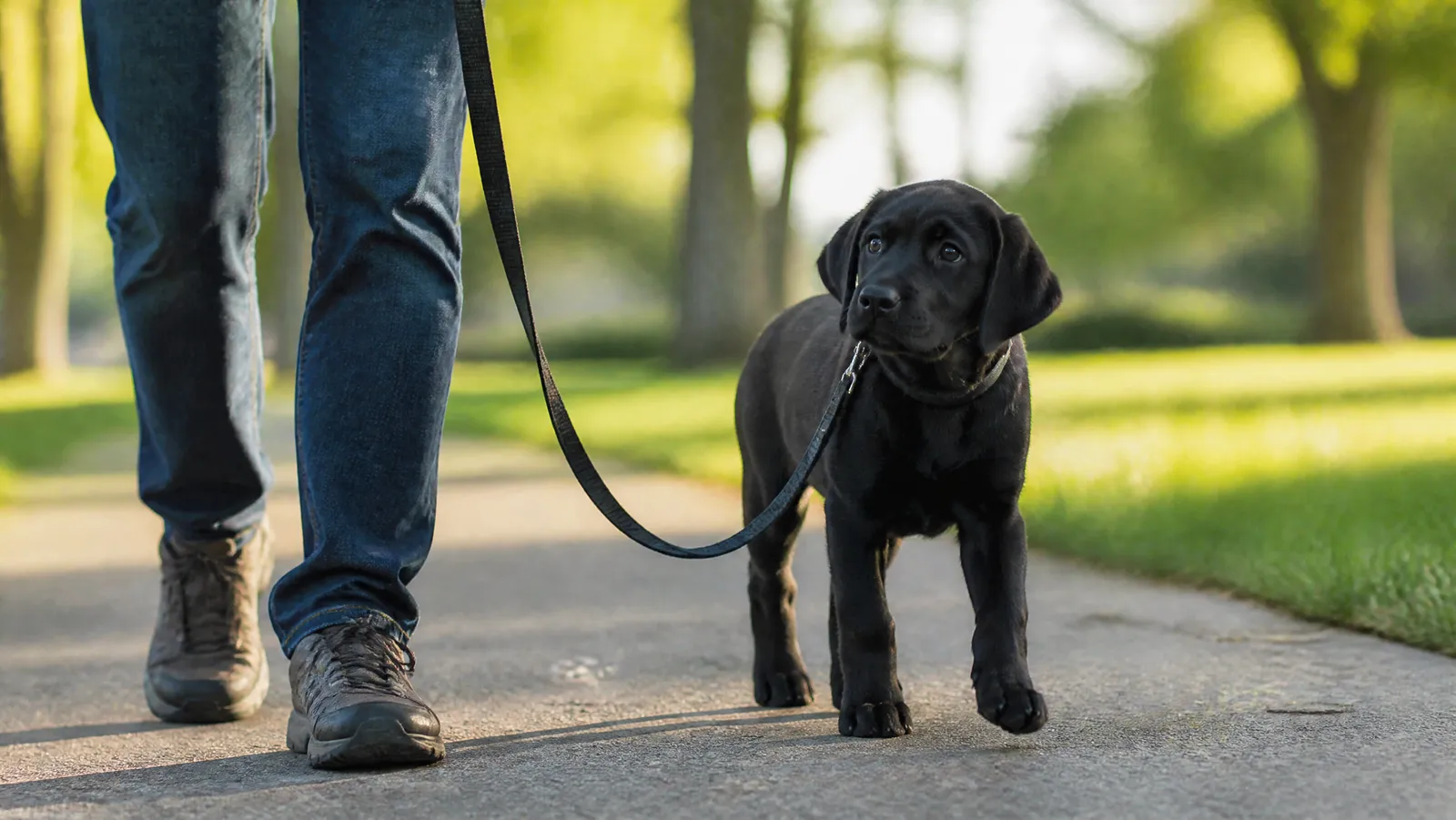
A black Labrador puppy walking beside its owner's legs on a sunlit park path with the leash hanging in a loose J-shaped curveTraining & Crates4 picks

Loose Leash Walking: Teaching It From Day One

Loose leash walking is one rule applied without exception: slack gets paid, tension stops the walk. Here is the criterion you are actually reinforcing, the indoor foundation that has to come first, and a day-one protocol short enough to run in your hallway tonight.

Photo of James Martin
James Martin· · 11 min
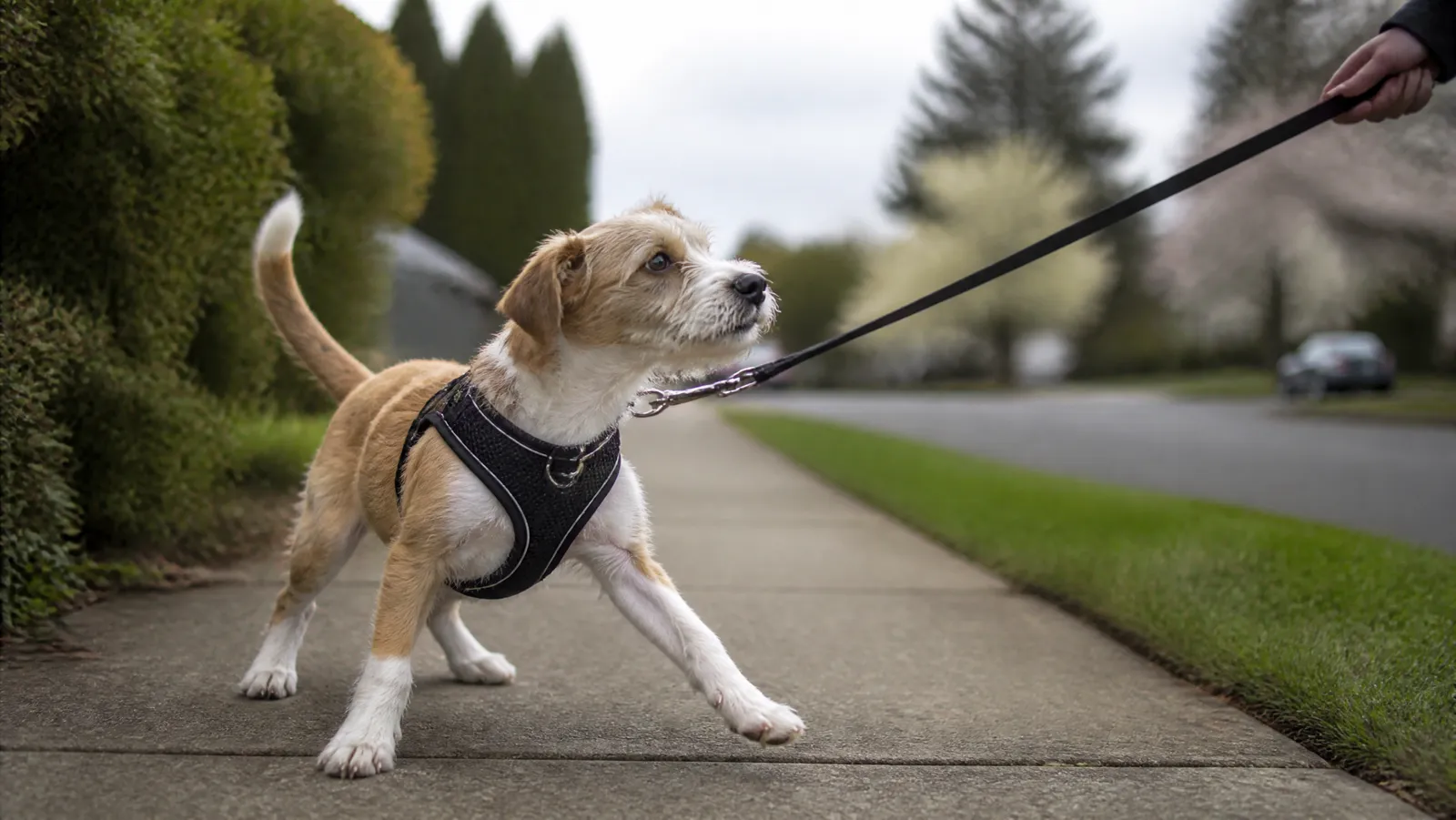
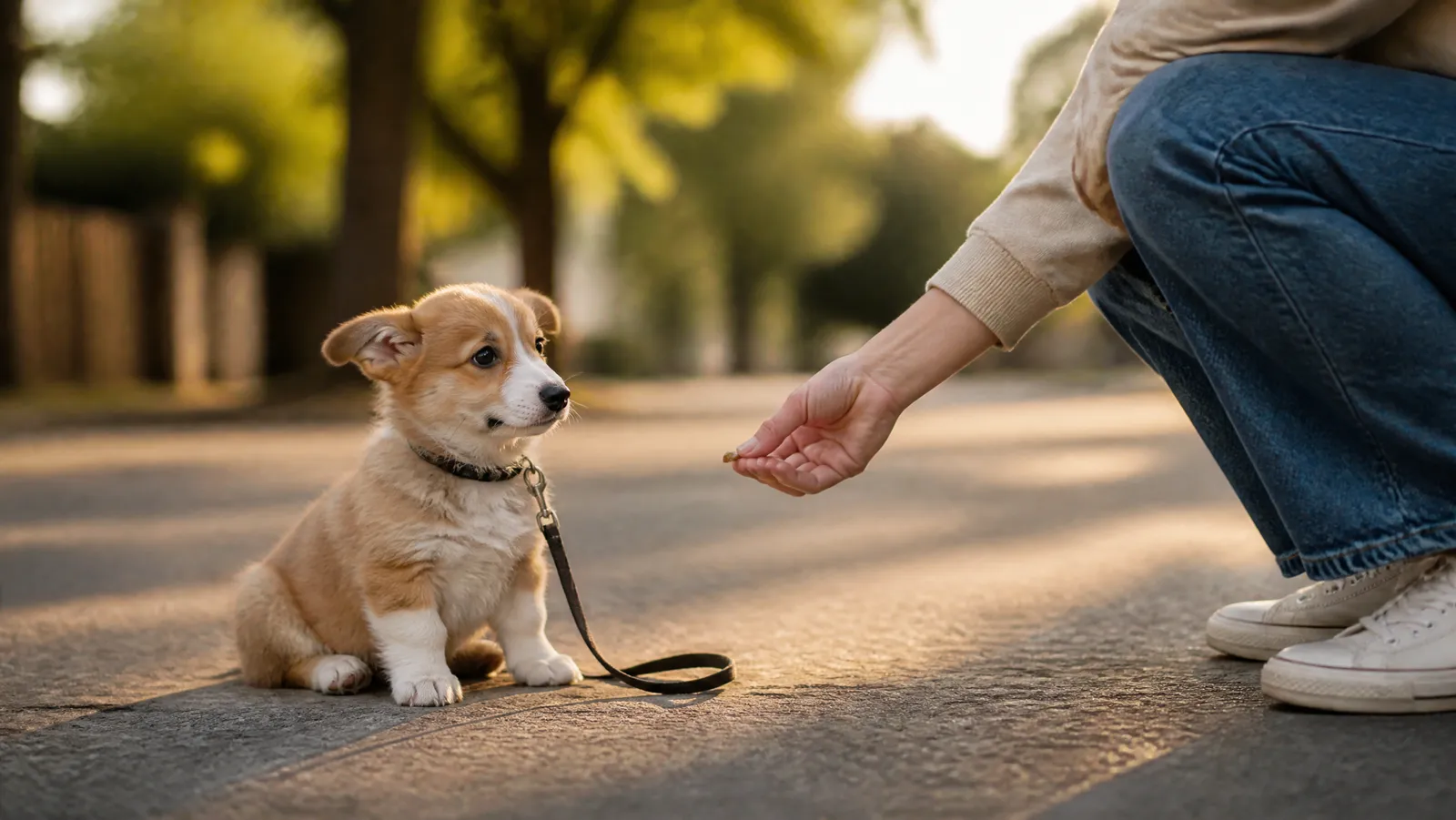
A tan and white terrier-mix puppy braced forward against a taut leash on a suburban pavement, wearing a padded front-clip mesh harnessTraining & Crates4 picks

Puppy Pulling on the Leash? Here Is How to Stop It

Pulling works, which is why your puppy does it. Leash training a puppy that pulls means making tension stop the walk and slack pay — while a front-clip harness buys you a survivable walk today. Here is why it happens, the three drills that change it, and what the no-pull harness evidence actually shows.

Photo of James Martin
James Martin· · 11 min
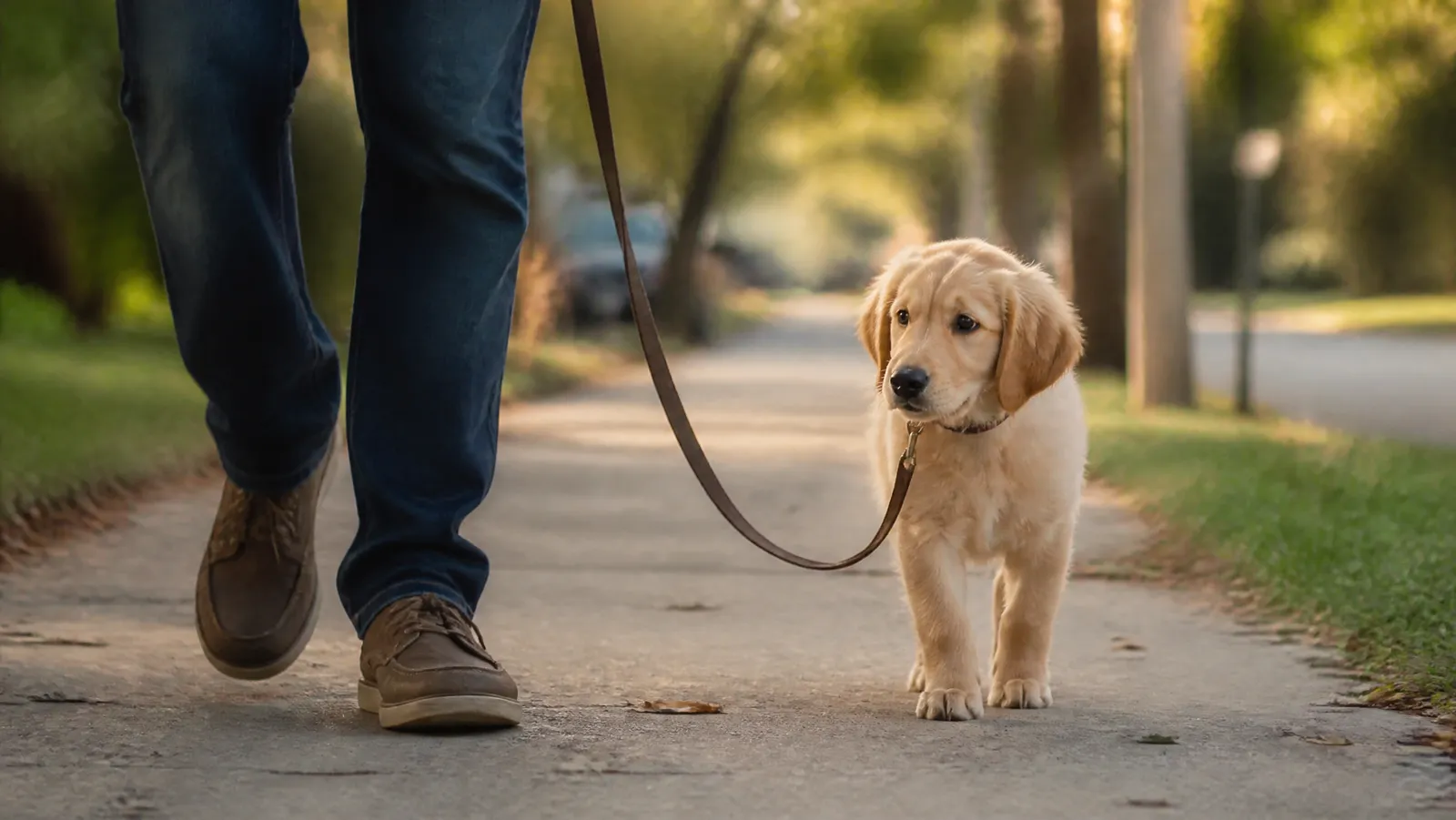
A twelve-week-old golden retriever puppy walking beside its owner's legs on a suburban pavement with visible slack in the leashTraining & Crates5 picks

How to Leash Train a Puppy: The Complete Guide

Leash training starts indoors, with no walking in it at all. Here is the whole sequence — introducing the gear, paying for position, fixing a puppy who pulls and a puppy who freezes, what we would clip on, and how to think about the first trip down the street.
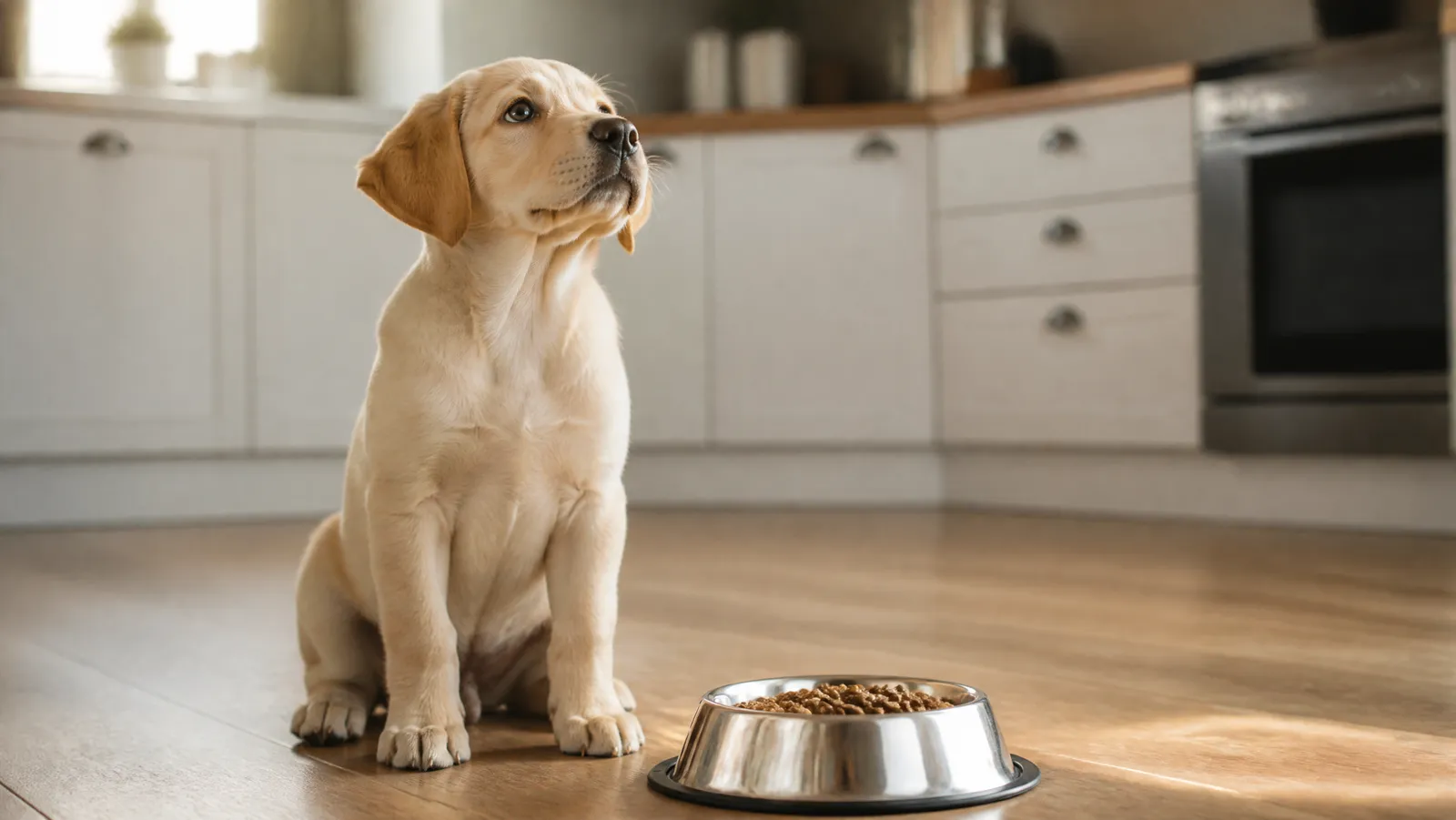
Photo of James Martin
James Martin· · 22 min
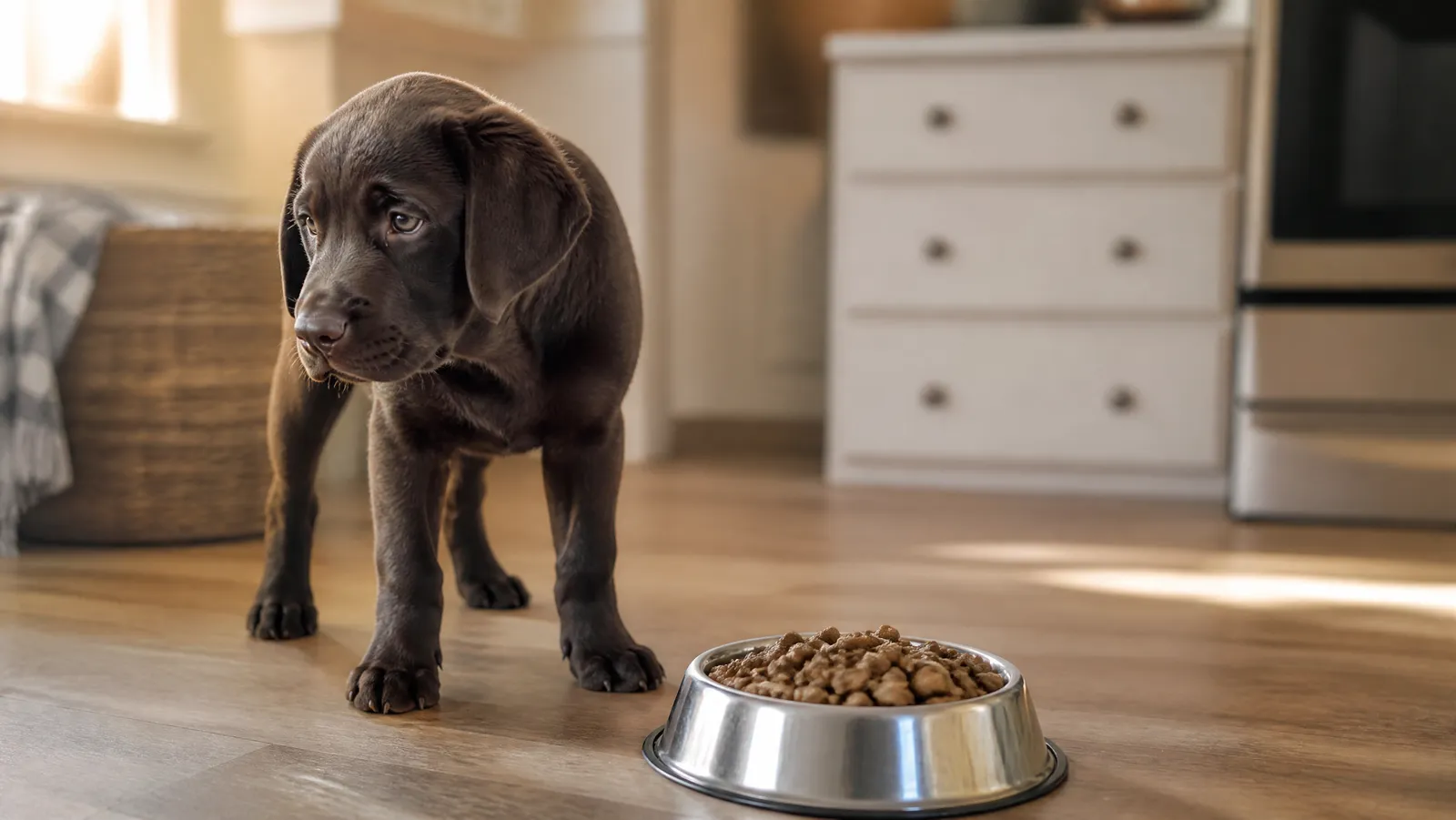
A four-month-old chocolate labrador puppy standing over a full bowl of kibble in a sunlit kitchen, turning its head away from the foodFeeding & Watering5 picks

Teething Puppy Not Eating? Why It Happens and What to Do

A teething puppy usually eats less, not nothing — sore gums can make hard kibble unpleasant anywhere in the 12-week-to-six-month teething window. Here is how to tell ordinary fussiness from a puppy who needs a vet, what the evidence actually says about teething and diarrhea, and seven things to try at tonight's meal.

Photo of James Martin
James Martin· · 11 min
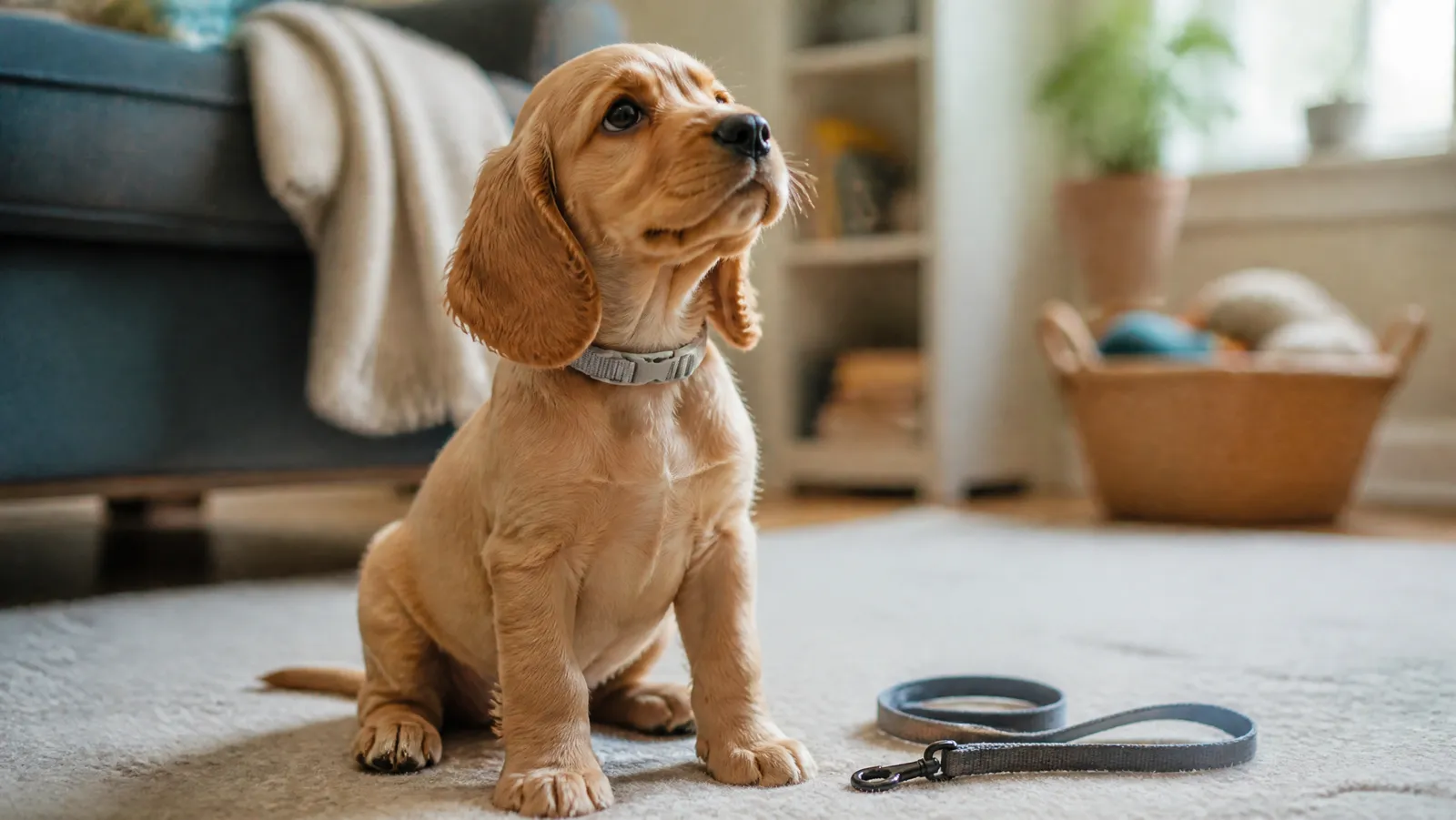
A nine-week-old cocker spaniel puppy sitting on a living room rug wearing its first flat collar, with a leash coiled on the floor beside itTraining & Crates4 picks

When to Start Leash Training a Puppy (and What to Do First)

You can start the day your puppy comes home at eight weeks, because the first stage of leash training happens indoors and involves no walking at all. Here is the four-week indoor sequence we would run, what the AVSAB actually says about the socialization window, and why the sidewalk is your vet's call rather than ours.

Photo of James Martin
James Martin· · 11 min
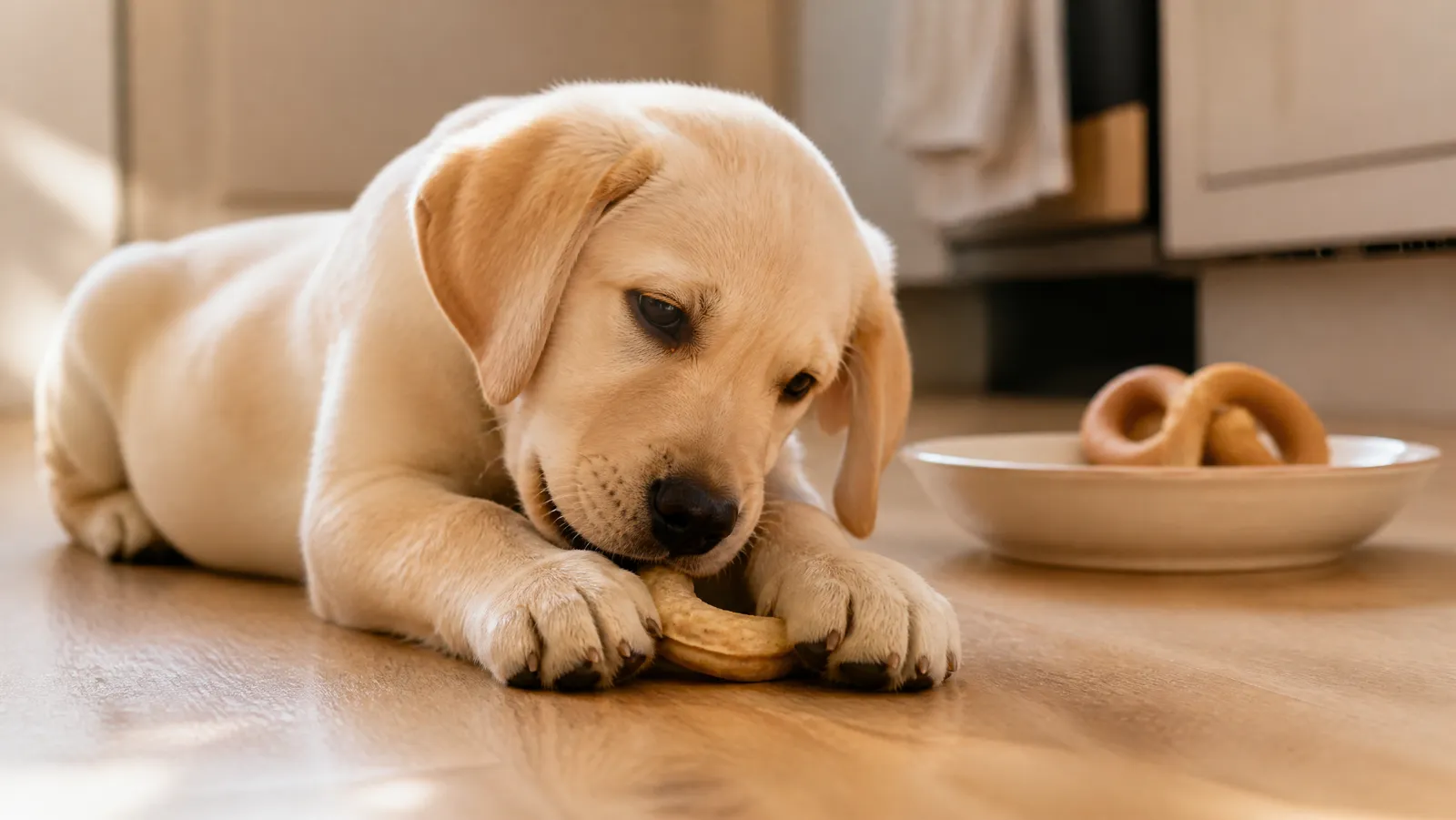
A labrador puppy lying on a kitchen floor gnawing an edible teething chew held between its front pawsToys & Enrichment6 picks

The Best Puppy Teething Chews and Edible Treats

A teething chew is food, not hardware — so it has to be digestible, too big to swallow whole, and cheap enough in calories to fit a puppy's daily treat budget. Here is how we judge an edible chew, the six we would buy, and the chews to leave on the shelf while the baby teeth are in.
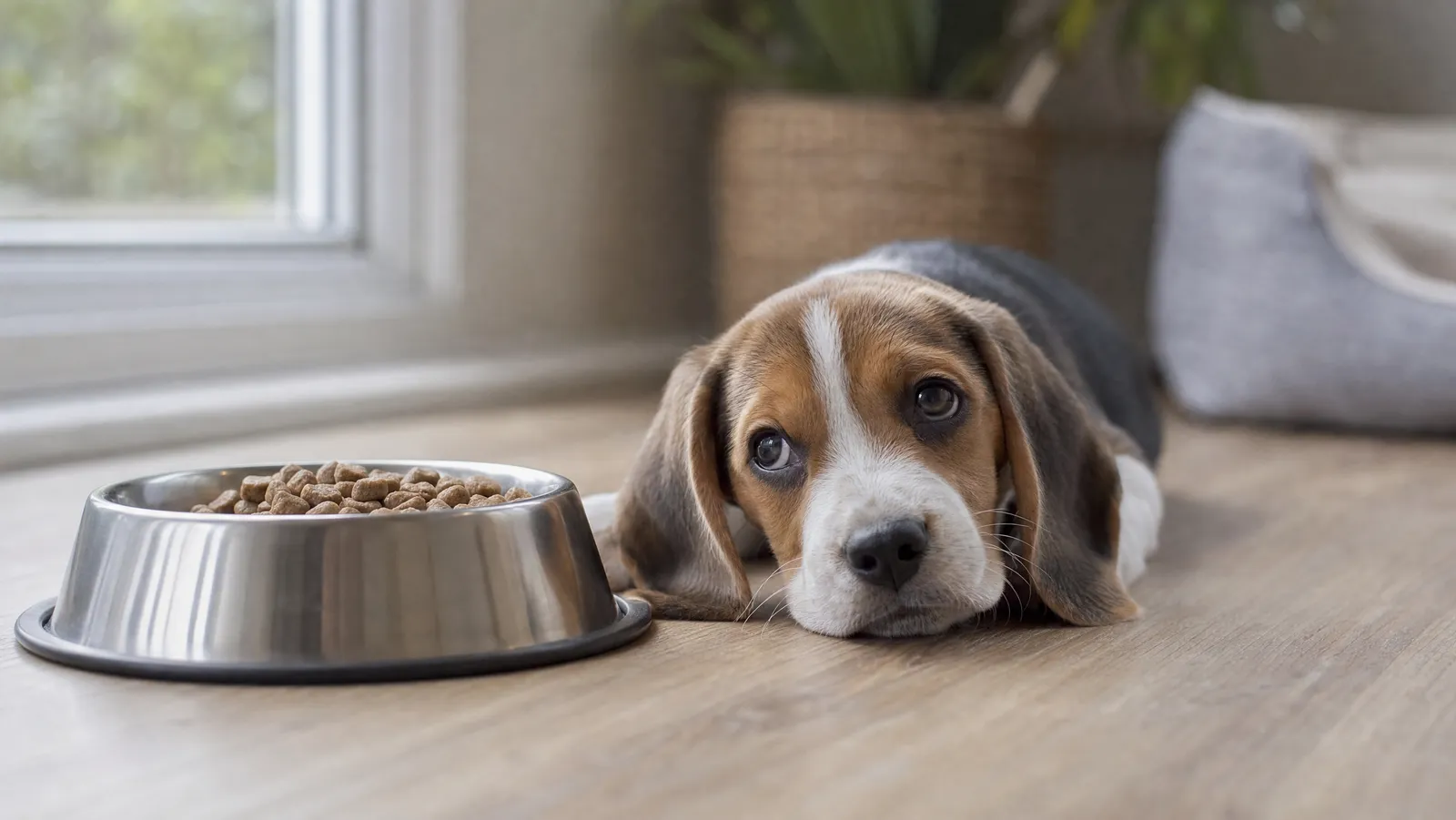
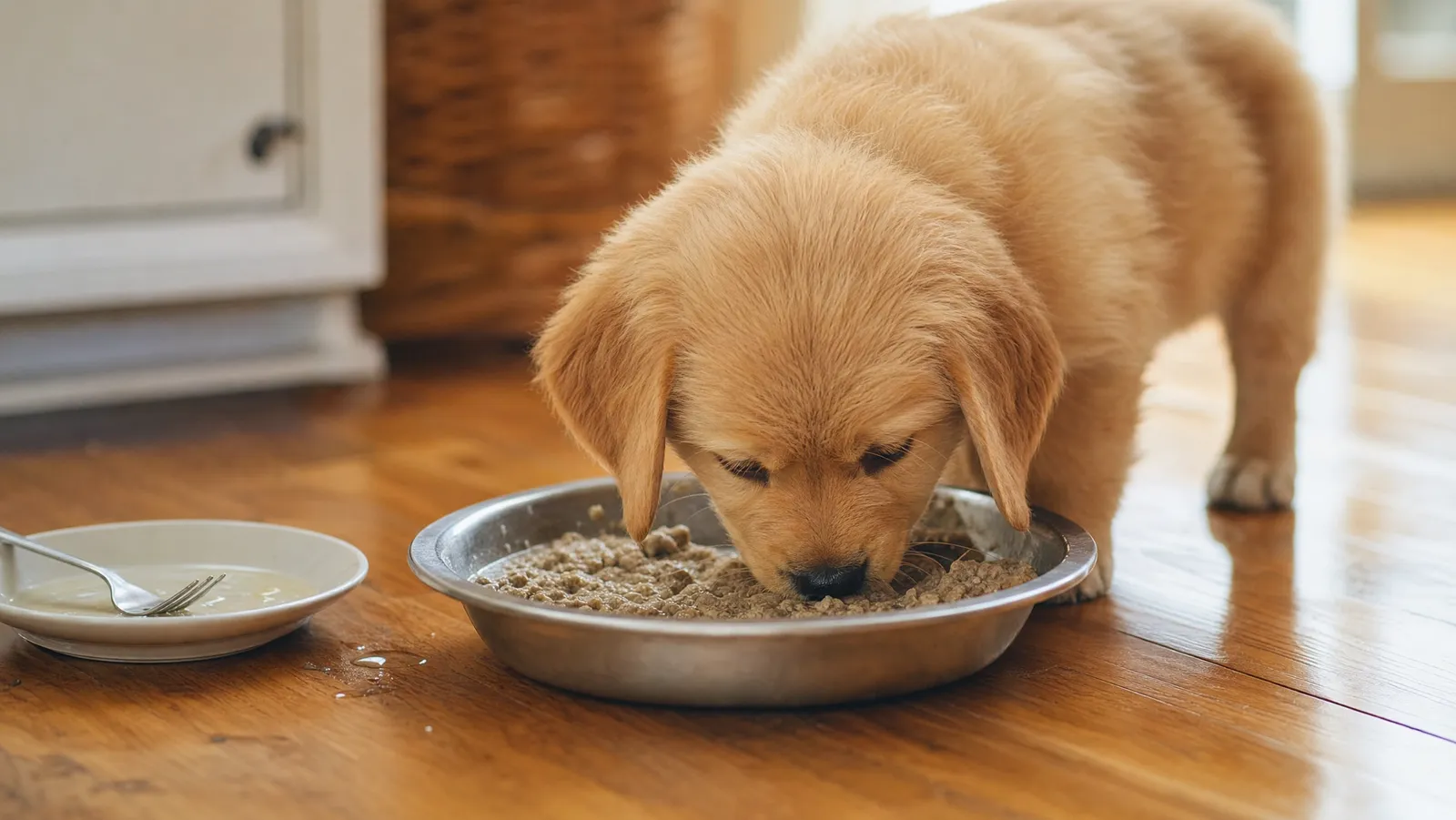
Photo of James Martin
James Martin· · 13 min
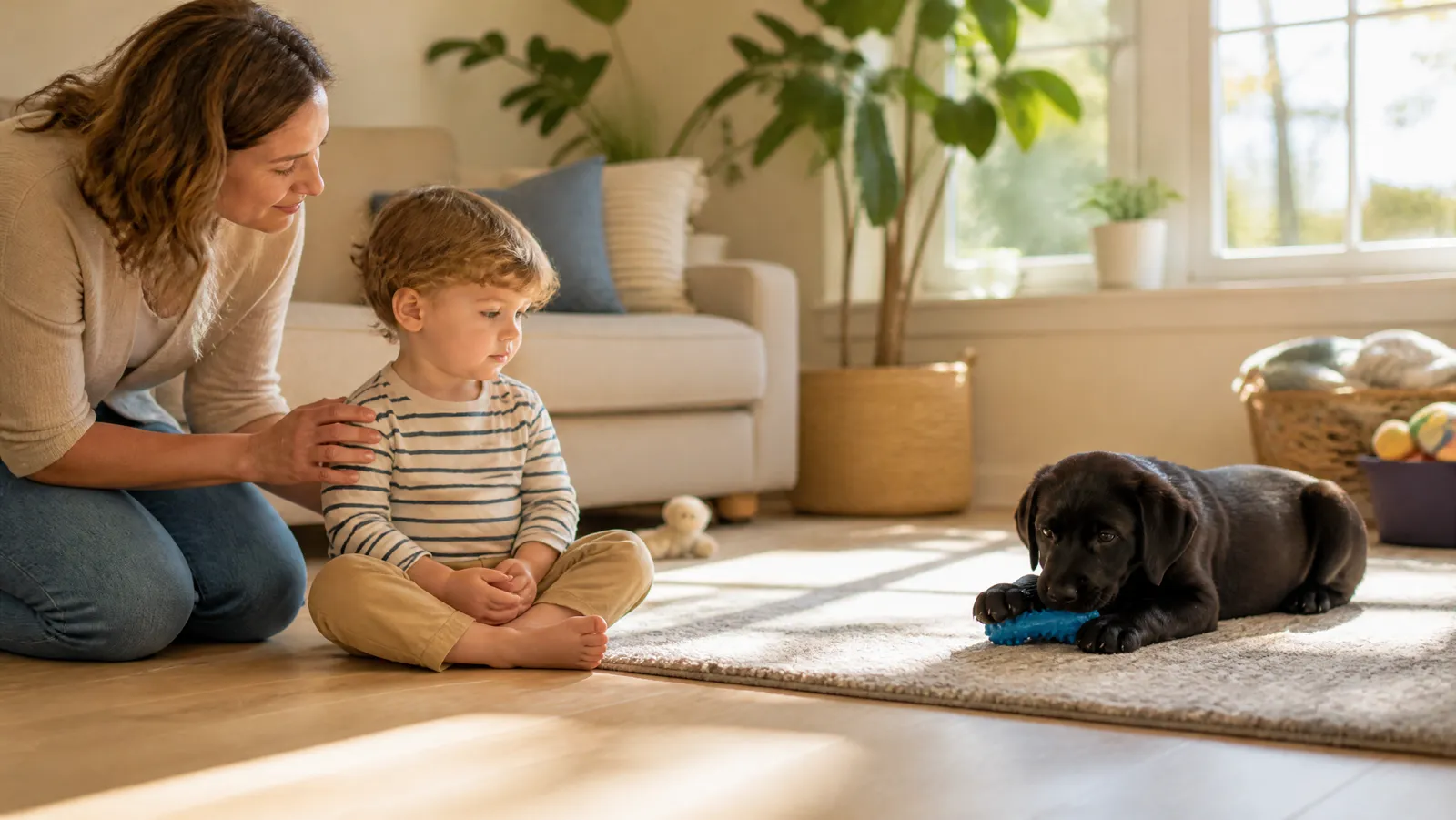
A toddler sitting still with hands folded while a labrador puppy chews its own toy nearby and a parent supervisesTraining & Crates2 picks

Puppy Biting Kids: Household Rules That Keep Everyone Safe

Puppy mouthing is normal development, but a toddler is the hardest audience a puppy will ever have — short, fast, loud, with hands at exactly mouth height. The adults manage the environment; the training comes second. Here are the non-negotiables, the household rules, the short list a small child can actually follow, and the thresholds that mean you call a professional this week.

Photo of James Martin
James Martin· · 11 min
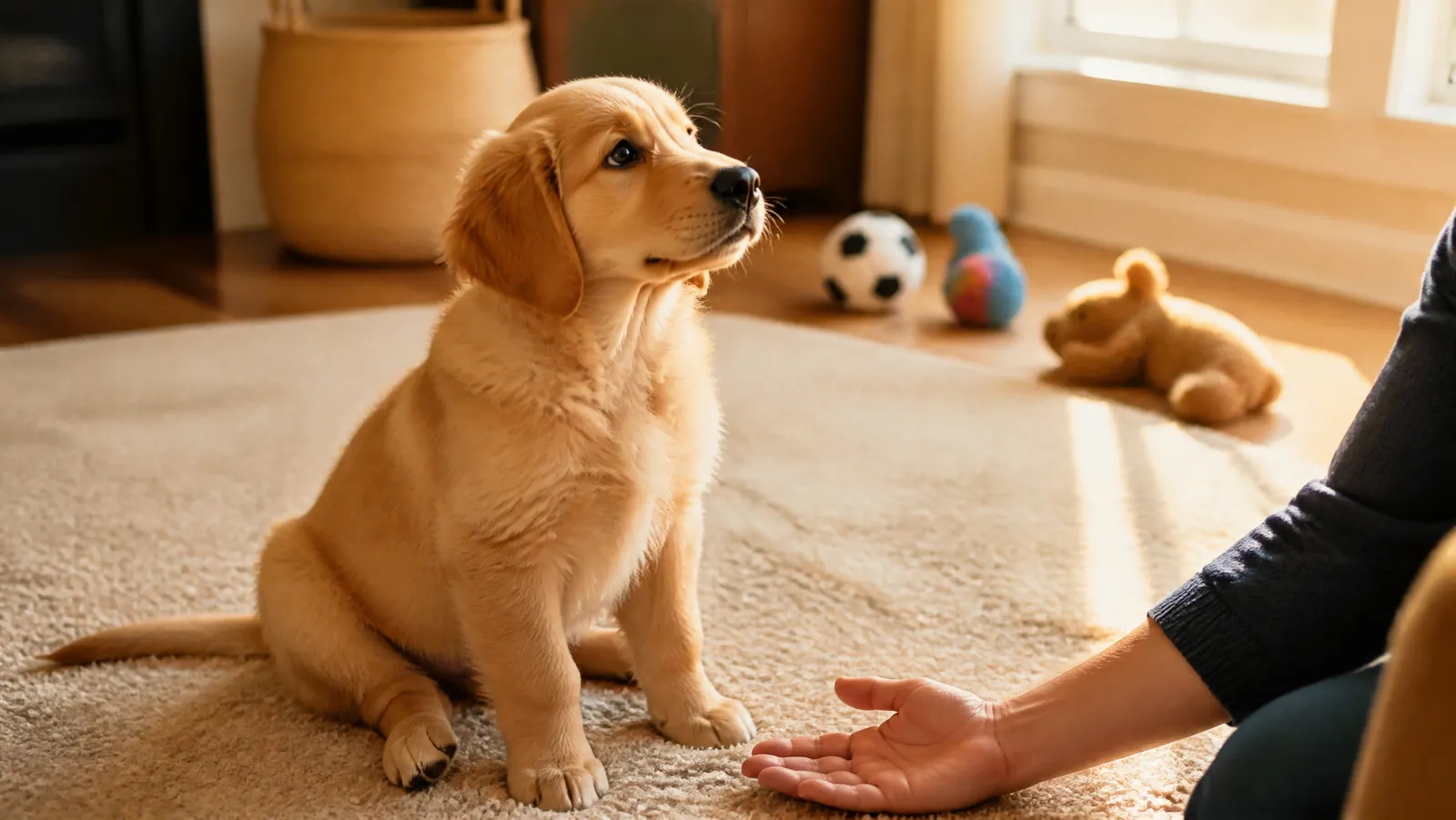
A five-month-old golden retriever puppy sitting calmly beside its owner's open hand on a living room rugTraining & Crates2 picks

When Do Puppies Stop Biting? A Realistic Timeline

Painful puppy biting usually eases between four and six months, and in our experience most owners are through the worst of it somewhere in the four-to-eight-month window. But teething and biting run on two separate clocks — one ends on its own, the other only ends if you teach it. Here's the age-by-age timeline, what 'stopped' honestly looks like, and why some puppies take longer.

Photo of James Martin
James Martin· · 9 min
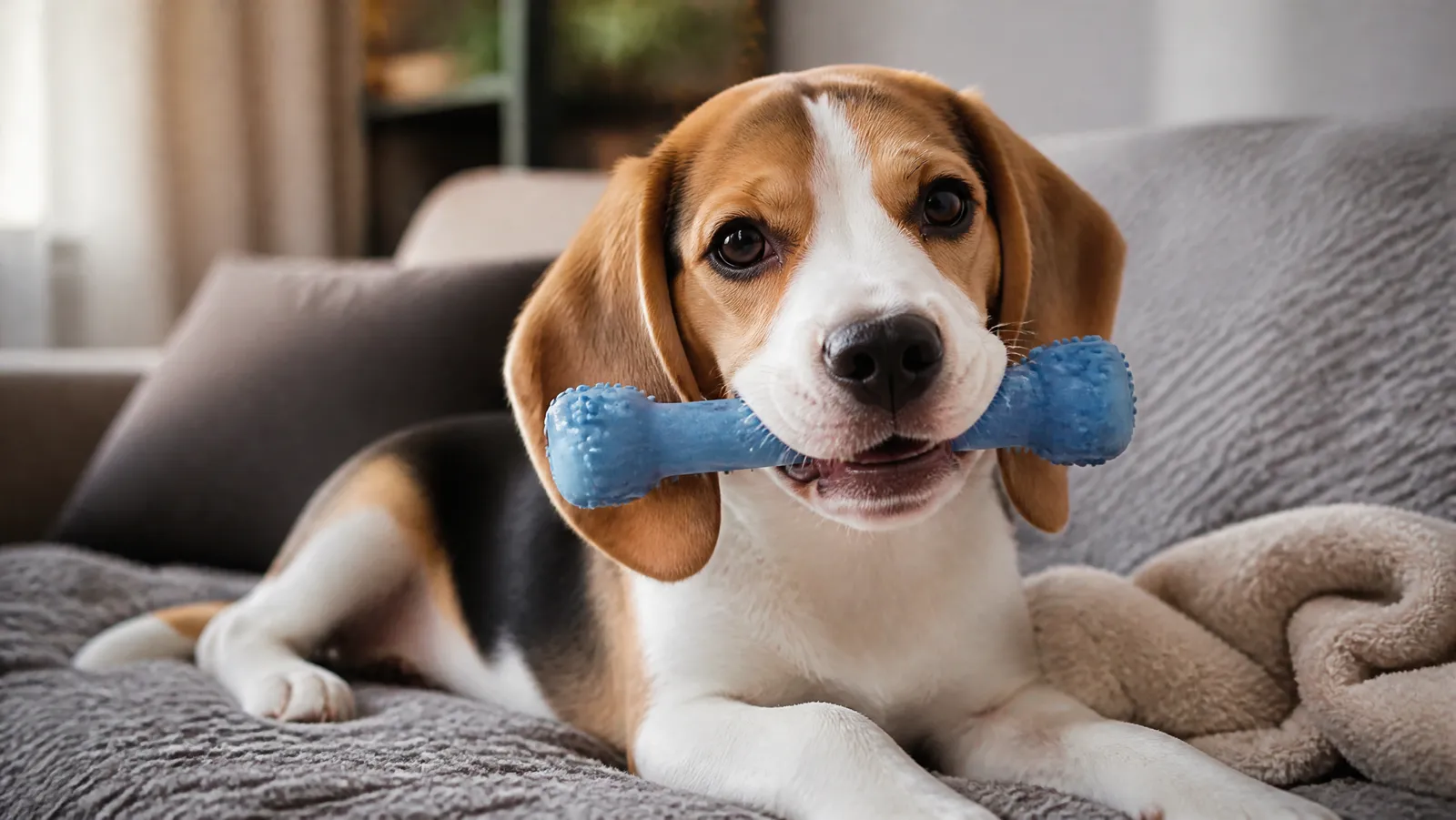
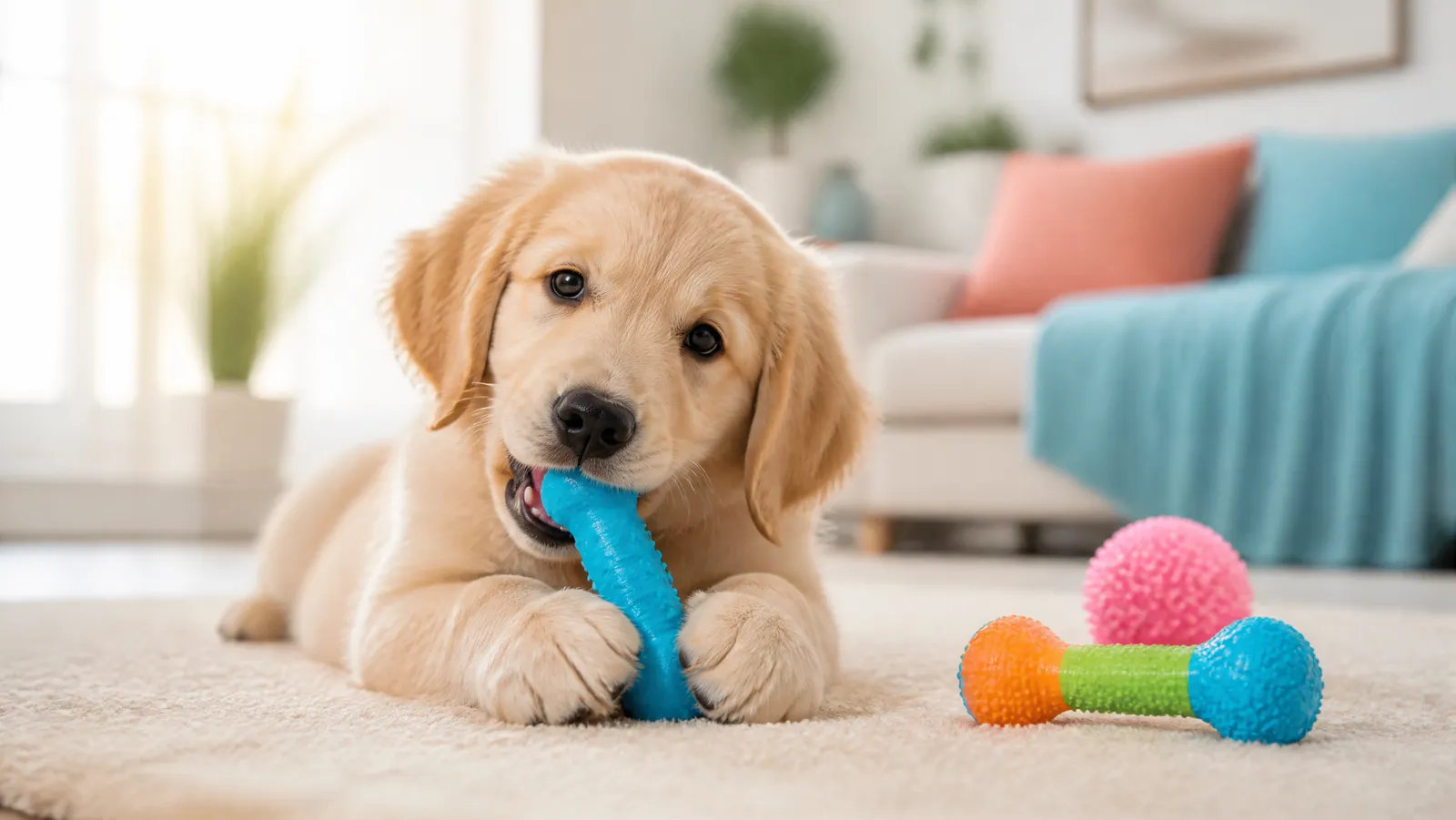
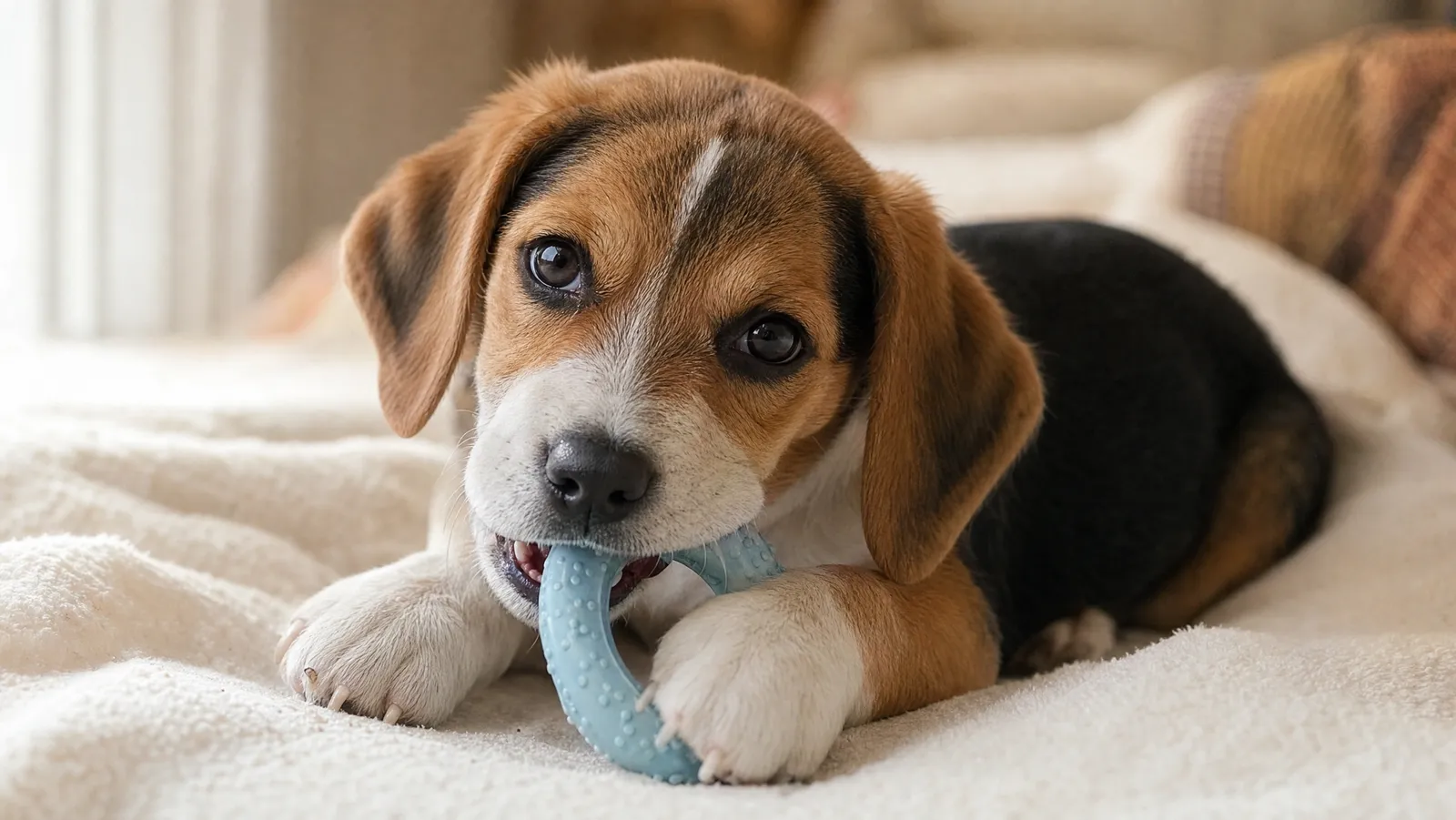
A golden retriever puppy chewing a blue rubber teething toy on a living room rugToys & Enrichment6 picks

The Best Puppy Teething Toys

A teething toy only has to do three things: give under a fingernail, stay too big to swallow, and be more appealing than your hand. Here's how to choose one by tooth stage, the six we'd buy, and the chews veterinary dentists tell you to skip.

Photo of James Martin
James Martin· · 11 min
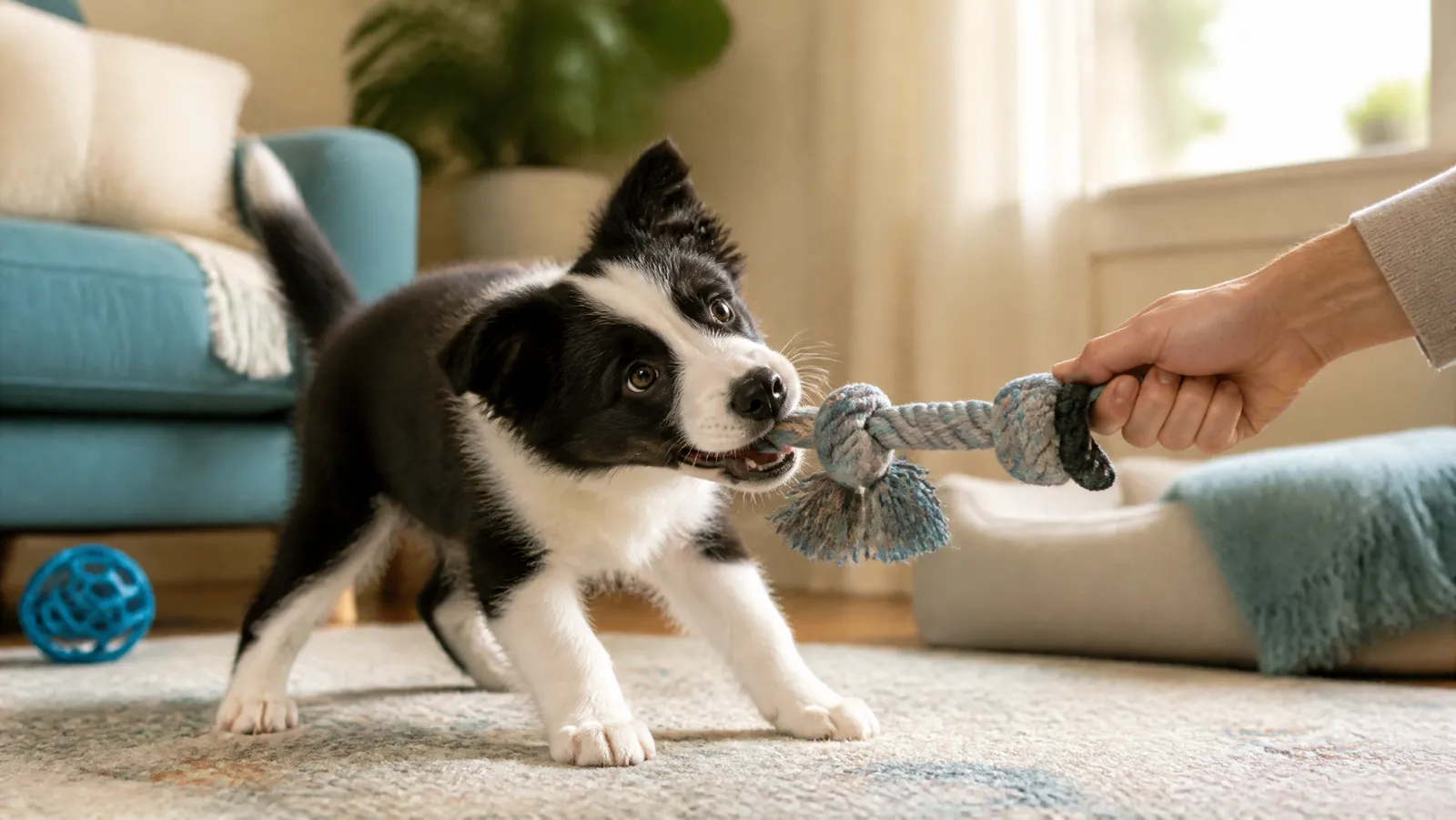
A border collie puppy playfully mouthing a knotted rope tug toy held by its ownerTraining & Crates2 picks

Why Does My Puppy Bite Me? The Five Real Reasons

A puppy biting you is almost always normal development, not aggression. But mouthing has five different drivers — teething, unfinished bite inhibition, overtiredness, accidental reinforcement, and plain under-stimulation — and each one needs a different response. Here is the tell that identifies each, the fix that follows from it, and the warning signs that are worth a professional.

Photo of James Martin
James Martin· · 10 min
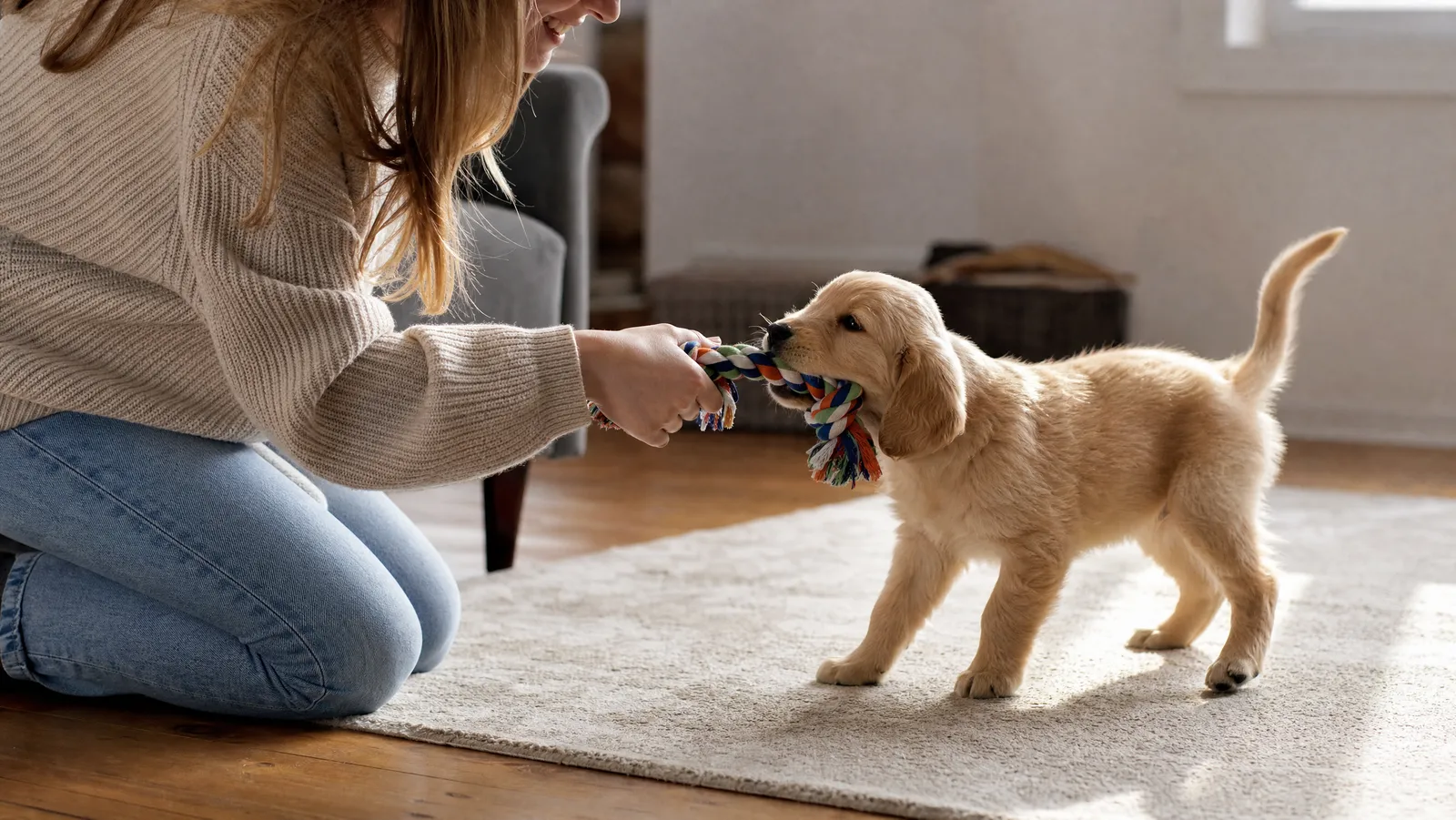
A person offering a rope tug toy to an eager puppy on a living-room rug, redirecting its mouth onto the toyTraining & Crates4 picks

How to Stop Puppy Biting: The Bite-Inhibition Protocol That Works

Stopping puppy biting is a teaching job, not a suppression trick. The loop is redirect, mark and disengage, reward the soft mouth, and manage arousal — plus the overtired evening hour that new owners mistake for aggression. Here's the protocol, the mistakes that make biting worse, and when it's worth asking a professional.

Photo of James Martin
James Martin· · 10 min
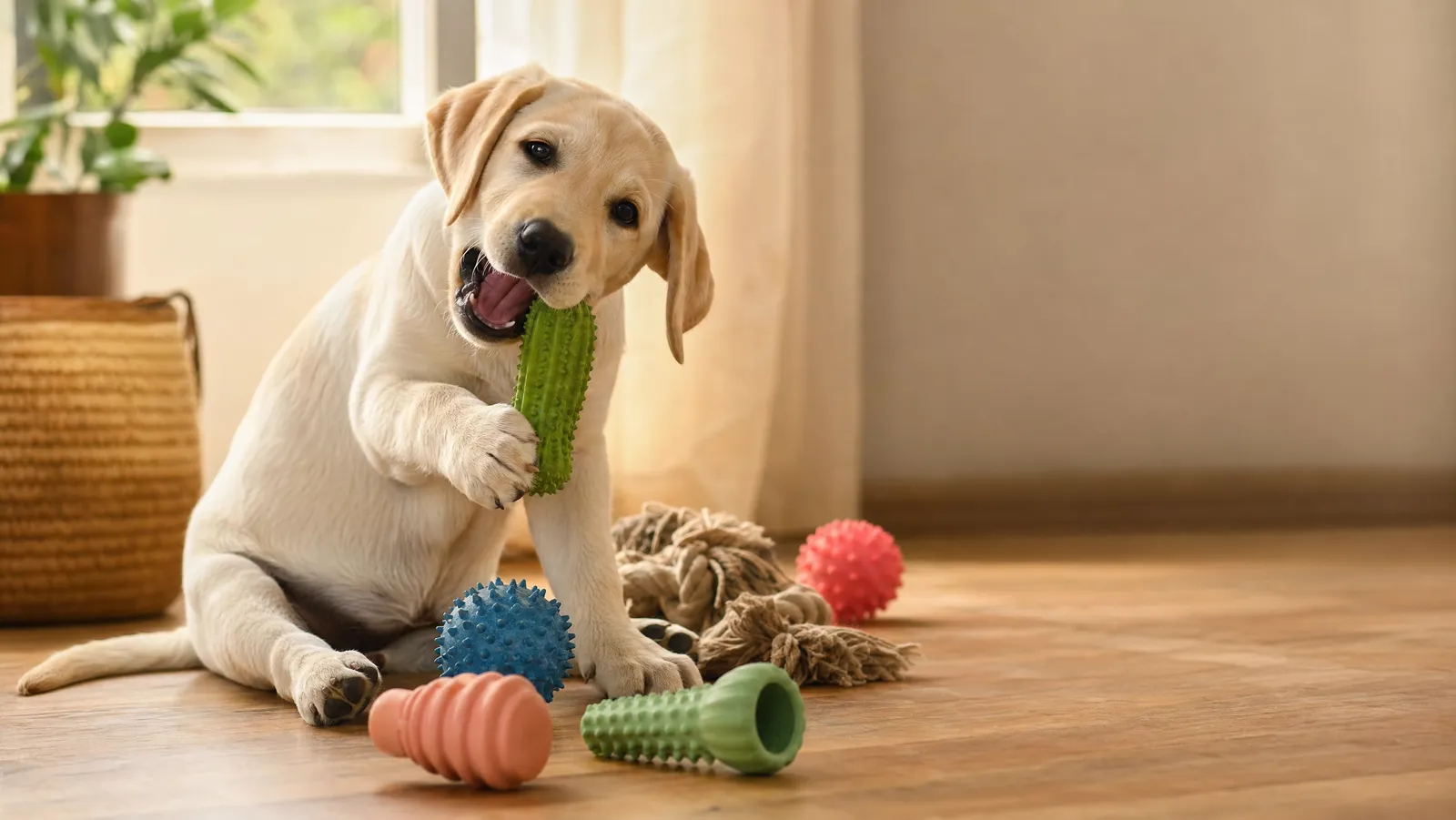
A four-month-old labrador puppy chewing a rubber toy beside a pile of chew toys on a sunlit wooden floorHealth Supplies3 picks

Puppy Teething and Biting: The Complete Survival Guide

Teething and biting run on the same clock: baby teeth arrive around three weeks, adult teeth start replacing them from around 12 weeks, and most puppies have a full adult set by about six months. Here's what's actually happening in that mouth, what helps sore gums, how to teach a puppy to use their teeth gently, and the few things worth a call to your vet.

Photo of James Martin
James Martin· · 20 min
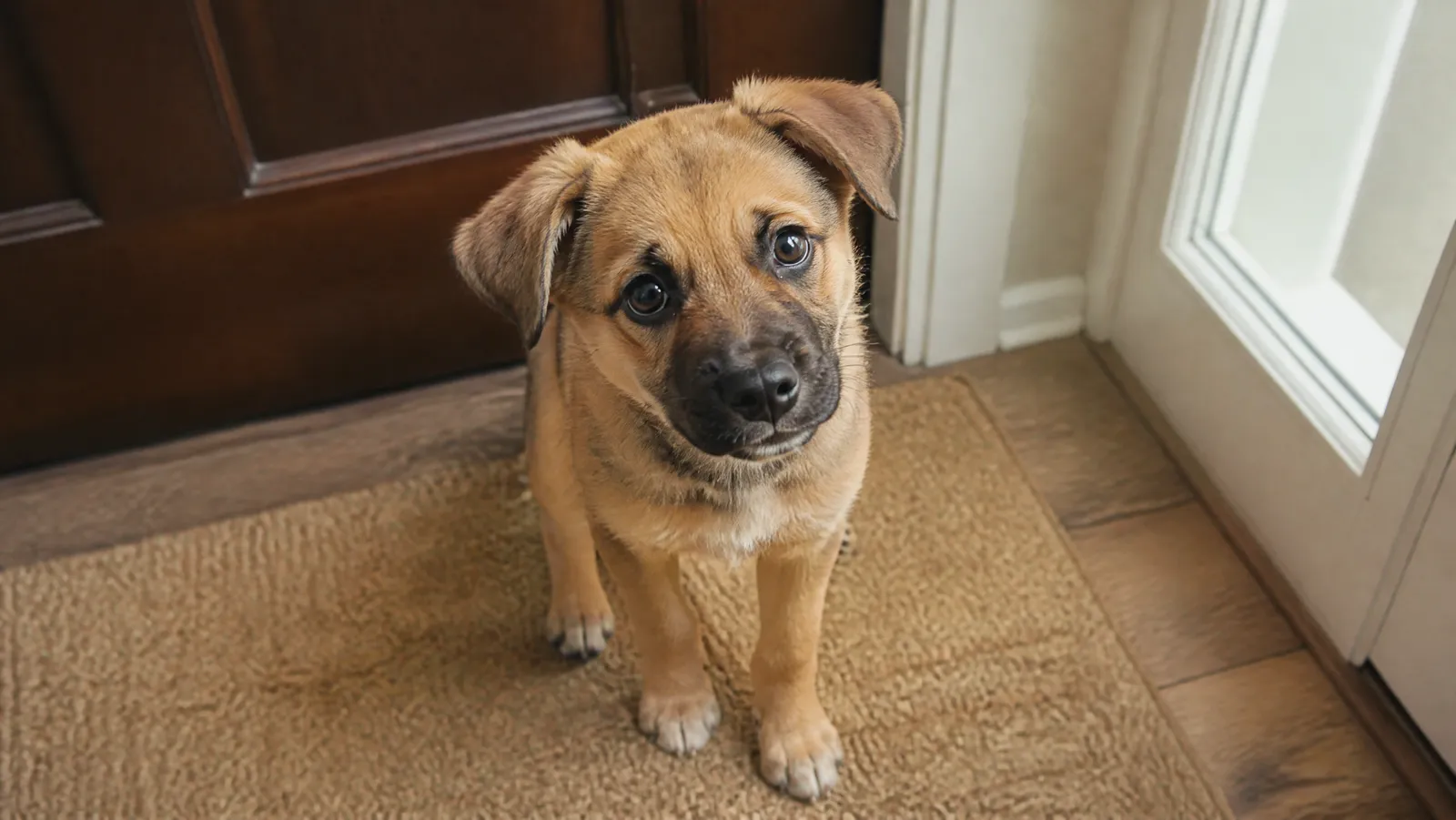
A mixed-breed puppy standing on a doormat by the front door, looking up expectantlyTraining & Crates1 pick

How Long Does It Take to Potty Train a Puppy?

Four to six months is the honest answer, and some puppies need up to a year. Here's what actually moves that number — age started, breed size, confinement, prior history — and why the 'potty trained in 3 days' promise is describing your schedule, not your puppy's bladder.

Photo of James Martin
James Martin· · 9 min
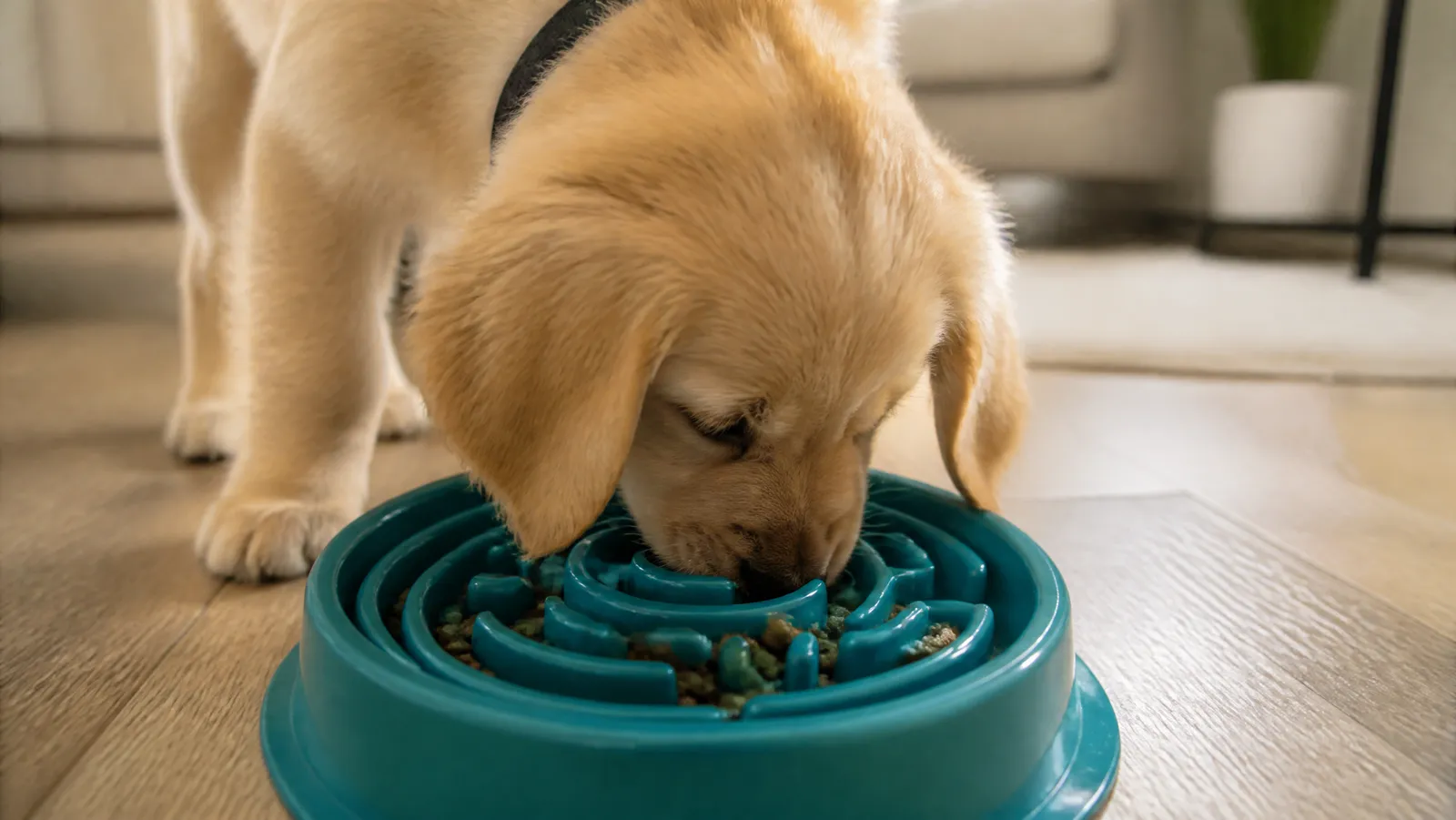
A golden retriever puppy eating kibble from a teal slow feeder maze bowl with raised ridgesFeeding & Watering5 picks

The Best Slow Feeder Bowls for Puppies

The best slow feeder bowl for puppies is the cheapest one that holds an entire meal and uses the simplest maze. Here's how to size one correctly, why a slow feeder is not bloat insurance, and the five bowls we'd actually consider — plus the free version that works just as well.

Photo of James Martin
James Martin· · 12 min
A golden retriever puppy eating softened kibble gruel from a shallow stainless steel weaning bowlFeeding & Watering3 picks

How to Soften Puppy Food (and When to Stop)

Softening puppy food is a five-minute job: warm water, a 10–15 minute soak, a fork. The real questions are whether your puppy's age calls for it, what never to add to the bowl, and how to taper back to dry kibble on schedule. Here's the full weaning-to-crunching timeline, with AKC and veterinary sourcing.

Photo of James Martin
James Martin· · 9 min
An older dog resting comfortably, the kind of dog that benefits from joint supportHealth Supplies6 picks

How to Make Your Dog's Joints Feel Better

Sore joints can slow your dog down, but a healthy weight, the right exercise, and a few evidence-backed supplements can make a real difference. Here's what actually helps — plus the six joint products we recommend right now.

Photo of James Martin
James Martin· · 5 min
A young puppy playing with chew and plush toys on the floorToys & Enrichment7 picks

Must-Have Toys for a New Puppy

The right toys do more than entertain a puppy — they soothe sore gums, burn off mental energy, and offer comfort. Here's how to choose safely, plus the seven toys we'd put in a new-puppy kit.

Photo of James Martin
James Martin· · 4 min
Why puppy parents trust us

Advice you can act on with confidence

Vet-informed

Every pick is researched against veterinary guidance and real owner feedback — not marketing copy.

Independently tested

We compare each product against close alternatives and only recommend what we would give our own dogs.

Reader-supported

We earn from qualifying Amazon purchases at no extra cost to you. It never changes what we recommend.

New here? Start with our most-loved guides.

From the first night home to a happy, well-fed, well-trained pup — we’ve done the homework.